
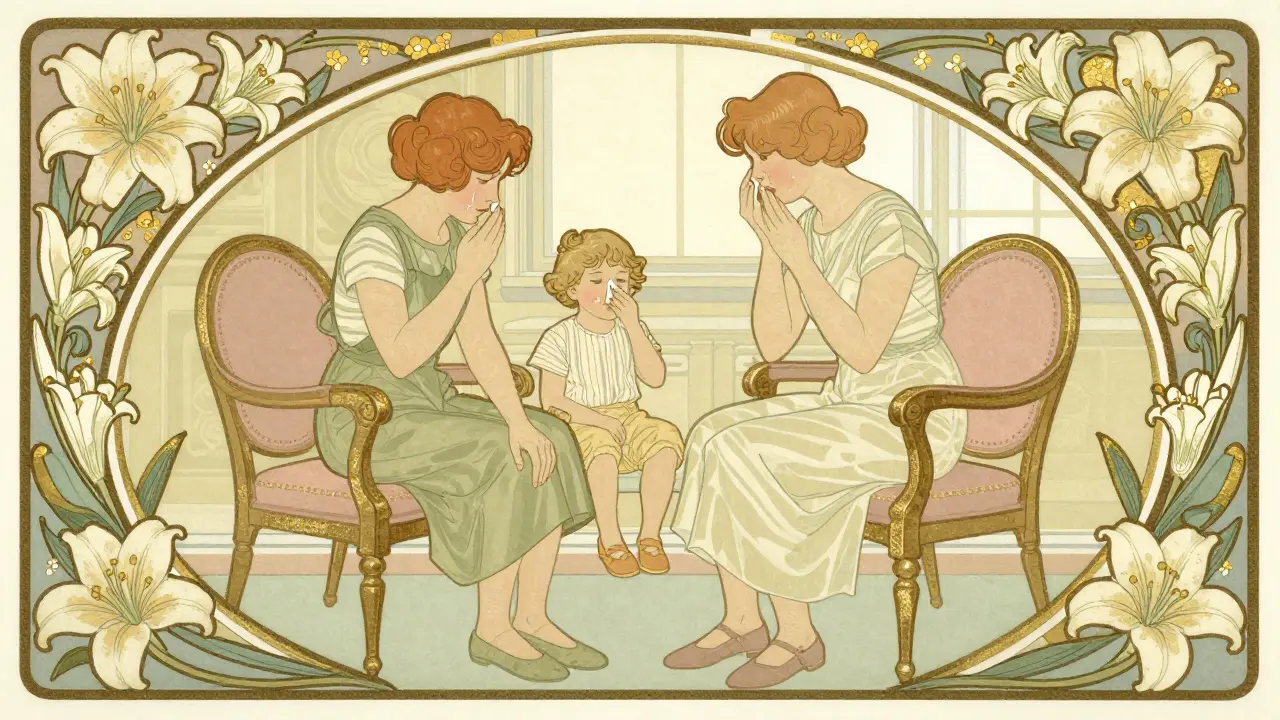
It is a common scene in pediatric waiting rooms: a child with a hacking cough and a runny nose, and a parent wondering if a quick course of antibiotics in children will speed up the recovery. While these drugs are life-saving tools, they aren't a cure-all. In fact, using them when they aren't needed does more harm than good, not just for the child, but for everyone. The reality is that the majority of childhood illnesses are caused by viruses, which antibiotics simply cannot touch.
| Condition | Cause | Do Antibiotics Work? | Common Example |
|---|---|---|---|
| Bacterial Infection | Bacteria | Yes | Strep Throat, Bacterial Pneumonia |
| Viral Infection | Viruses | No | Common Cold, Influenza, Most Stomach Bugs |
Bacterial vs. Viral: Knowing the Difference
One of the biggest misconceptions is that a "bad" cold-complete with green or yellow mucus-means a child has a bacterial infection. In reality, mucus changes color as the immune system fights off a virus; it's not a reliable signal that bacteria are present. To put it in perspective, Children's Hospital Colorado notes that while about 20% of sore throats in kids are caused by bacteria (like strep), a staggering 99% of vomiting and diarrhea cases are viral. Giving an antibiotic for a stomach bug is like using a hammer to fix a software glitch-it's simply the wrong tool for the job.
Medical professionals use specific tests to decide if a prescription is necessary. For instance, a rapid antigen test is the gold standard for diagnosing strep throat because clinical observation alone is only about 40-60% accurate. For ear infections, doctors look for specific inflammation and fluid behind the eardrum. If it's a virus, the best medicine is often just time, fluids, and rest.
Common Types of Pediatric Antibiotics
When a bacterial infection is confirmed, doctors choose a drug based on the type of bacteria and the site of infection. Penicillins is a class of antibiotics often used as a first-line treatment for ear and sinus infections due to their safety profile. Amoxicillin is the most common version, usually given twice daily for about 10 days.
Other common options include:
- Cephalosporins: Used for more complicated ear infections or pneumonia.
- Macrolides: Such as Azithromycin, which are often used for whooping cough or mild pneumonia in shorter 3-to-5 day courses.

Managing Side Effects and Allergies
Not every reaction to an antibiotic is an allergy. About 10% of children experience side effects, and the most frequent are gastrointestinal. Because antibiotics can't tell the difference between "bad" bacteria and the "good" bacteria in the gut, they often disrupt the digestive balance. This leads to nausea, vomiting, and diarrhea in a significant number of kids.
It is vital to distinguish between a side effect and a true allergy. A mild rash without other symptoms is often just a side effect. However, a true allergy is a systemic response. If you see hives, swelling of the lips or face, or if your child starts wheezing, this is a medical emergency. Interestingly, a family history of penicillin allergy isn't a perfect predictor; research shows that 95% of children labeled as allergic based solely on their parents' history can actually take the medication safely.
| Symptom | Likely Classification | Urgency |
|---|---|---|
| Mild skin rash (no itching/swelling) | Side Effect | Monitor/Inform Doctor |
| Loose stools / Diarrhea | Side Effect (Gut Flora Disruption) | Manage with fluids/probiotics |
| Hives or Lip Swelling | True Allergy | Immediate Medical Attention |
| Difficulty Breathing/Wheezing | Anaphylaxis (Severe Allergy) | Emergency Room / 911 |
The Danger of Antibiotic Resistance
Every time a child takes an unnecessary antibiotic, it contributes to Antibiotic Resistance, which is the process where bacteria evolve to survive the drugs meant to kill them. This isn't just a theoretical problem. The CDC has reported that nearly 47% of Streptococcus pneumoniae isolates now show resistance to penicillin. When these "superbugs" develop, simple infections become much harder to treat, leading to longer hospital stays and more aggressive treatments.
Overuse also opens the door for Clostridium difficile, a stubborn bacterium that causes severe colitis. When antibiotics wipe out the healthy gut flora, C. diff can take over, accounting for 15-25% of antibiotic-associated diarrhea cases in children.
Practical Tips for Parents: Dosing and Administration
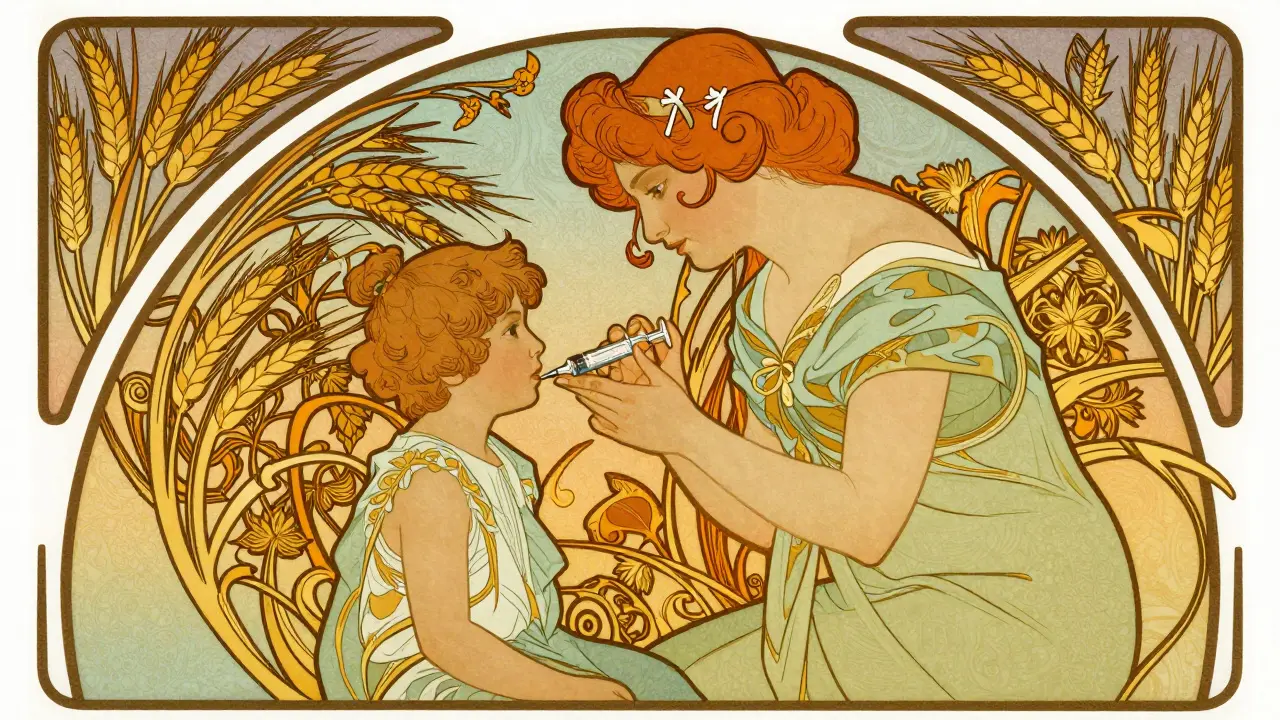
Getting a toddler to take a bitter-tasting liquid medication is a challenge many parents know too well. About 43% of children resist liquid antibiotics because of the taste. To make it easier, try mixing the dose with a small amount of chocolate syrup or using a specialized dosing syringe. Avoid mixing it into a full bowl of food, as your child might not finish the whole portion, meaning they don't get the full dose.
One of the most dangerous mistakes is stopping the medication early. It's tempting to stop once the fever vanishes and the child seems "better," but that's exactly how resistance starts. The remaining bacteria, the toughest ones, survive and learn how to fight the drug. Always finish the entire course as prescribed.
If your child vomits, the rule of thumb is based on timing:
- Within 30 minutes: Give the full dose again.
- Between 30 and 60 minutes: Give half of the dose again.
- After 60 minutes: Do not repeat the dose; wait until the next scheduled time.
The Future of Pediatric Treatment
Medicine is moving toward a "precision" approach. Instead of guessing, doctors are starting to use point-of-care testing, such as CRP (C-reactive protein) tests, which can help distinguish between bacterial and viral infections on the spot. These tools have been shown to reduce unnecessary prescriptions by up to 85%. Furthermore, the FDA has approved rapid susceptibility tests that can provide results in 6 hours rather than waiting days for a lab culture. This allows doctors to pick the exact right antibiotic the first time, rather than using a broad-spectrum drug that might kill more good bacteria than necessary.
How long does it take for antibiotics to start working in kids?
Most parents should see a noticeable improvement in symptoms within 48 to 72 hours. If the fever remains high or the child seems worse after three days, contact your pediatrician. It may be that the bacteria are resistant to that specific drug, or the infection is actually viral.
Can I give my child a probiotic while they are on antibiotics?
Yes, many doctors recommend probiotics to help replenish the good bacteria in the gut. However, it's best to space them out-give the probiotic a few hours after the antibiotic dose so the medication doesn't simply kill the probiotic bacteria immediately.
What is "watchful waiting" and should I be worried if my doctor suggests it?
Watchful waiting is a recommended strategy for borderline cases, especially for ear infections in infants (6-23 months) with mild symptoms. It involves observing the child for 48-72 hours to see if the body fights the infection on its own. This prevents unnecessary drug exposure and resistance without increasing the risk of complications.
My child has a fever for 5 days; does that mean they need antibiotics?
Not necessarily. Viral illnesses can last 7 to 10 days. Fever duration alone is not an indicator of a bacterial infection. The key is the origin of the fever and other symptoms, which only a medical professional can diagnose through a physical exam or testing.
What should I do if my child is refusing to take the liquid medicine?
Try using a dosing syringe to place the liquid at the back of the cheek, or mix it with a very small amount of a strong-tasting food like chocolate syrup or applesauce. If they still refuse, ask your pharmacist about "compounding," where they can add specific flavors to the medication to mask the bitterness.




Emily Wheeler
April 11, 2026 AT 15:50It's truly fascinating to consider how our modern approach to healing is evolving, and while the shift toward precision medicine is an optimistic leap forward, one cannot help but ponder the broader implications of how we perceive the balance between synthetic intervention and the body's innate ability to heal itself, especially when we think about the long-term trajectory of human health and the delicate dance between pharmaceutical advancement and biological resilience that defines our current era.
Victor Parker
April 12, 2026 AT 18:06Big Pharma just wants our kids hooked on the chemicals from day one 🙄 they don't tell you about the real stuff!! Wake up people 👁️
Peter Meyerssen
April 13, 2026 AT 08:55The systemic dichotomy between viral and bacterial pathogens is essentially Bio 101, yet the plebeian masses still struggle with the basic etiology of mucus coloration 🙄 simply pedestrian.
Julie Bella
April 13, 2026 AT 19:39Omg some of you are just totaly clueless about how to raise kids!! If you dont follow the full course you are basically gambling with your childs life and that is just plain irresponsble 😡!!
Suchita Jain
April 15, 2026 AT 03:38It is an absolute travesty that parents allow such negligence in dosing. One must adhere to the strictest standards of medical discipline to ensure the well-being of the offspring.
Simon Stockdale
April 16, 2026 AT 08:48I dont give a damn what some fancy textbook says cause my kid got better in two days when I stopped the meds and the American way is about doing what works not following some useless rules written by people who dont even know how to fight for their own families in this godforsaken system!!!!
Thabo Leshoro
April 17, 2026 AT 07:13The microbiome disruption... is real... and scary... especially the C. diff risk... for the little ones...
kalpana Nepal
April 17, 2026 AT 12:47Ancient knowledge is better than these new pills. Our traditions are the only true path to health.