
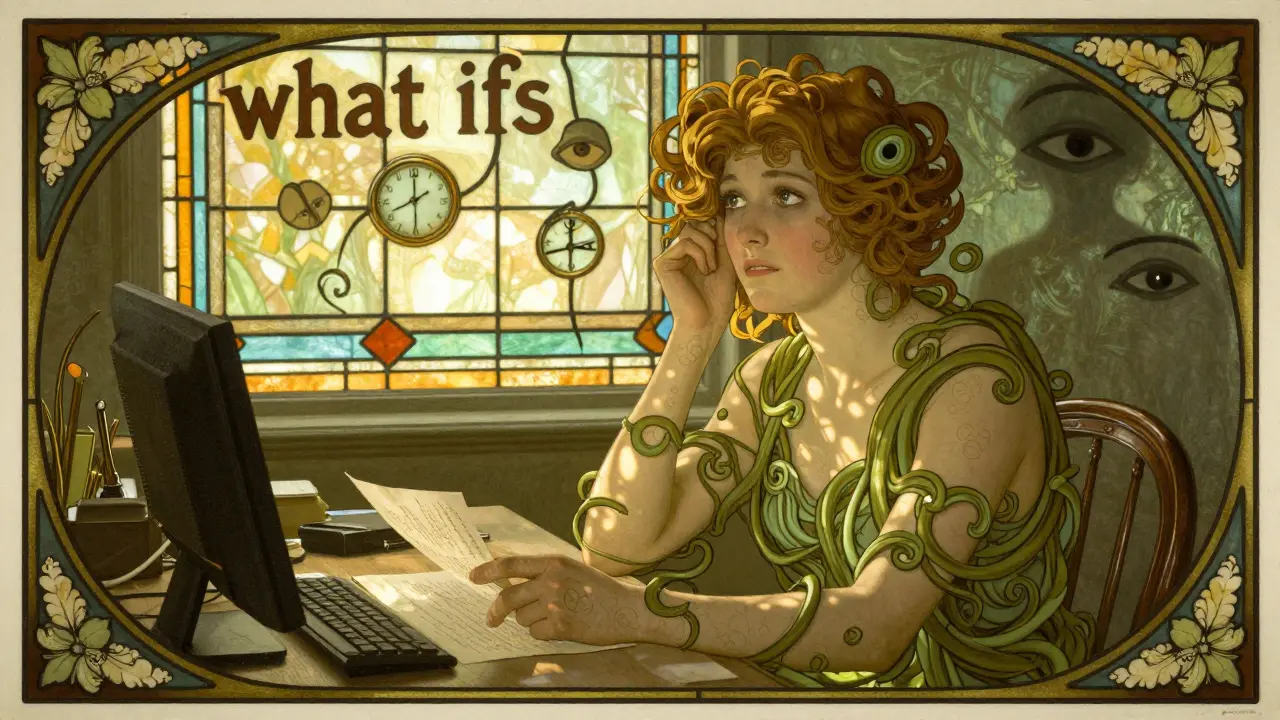
When your heart races for no reason, when you can’t stop worrying about things that are unlikely to happen, or when you avoid social situations just to escape the fear of being judged - you’re not alone. More than 19% of U.S. adults experience an anxiety disorder each year. These aren’t just "nerves" or "stress." They’re real, diagnosable conditions that hijack your body, mind, and daily life. The good news? We know exactly how to treat them - and the treatments work.
What Are the Main Types of Anxiety Disorders?
Anxiety isn’t one thing. It shows up in different forms, each with its own pattern of fear and behavior. The DSM-5, the standard guide used by clinicians, recognizes seven primary types.Generalized Anxiety Disorder (GAD) is the most common. People with GAD don’t just worry about one thing - they worry about everything. Work, health, family, even minor decisions like what to wear. This worry isn’t occasional. It’s constant - more days than not - for at least six months. The brain gets stuck in a loop of "what if?" and can’t turn it off.
Panic Disorder hits like a lightning strike. One moment you’re fine, the next you’re gasping for air, chest tight, dizzy, convinced you’re having a heart attack. These panic attacks come without warning. After the first one, the fear of having another becomes its own prison. You start avoiding places - malls, elevators, highways - because you don’t want to be trapped if it happens again.
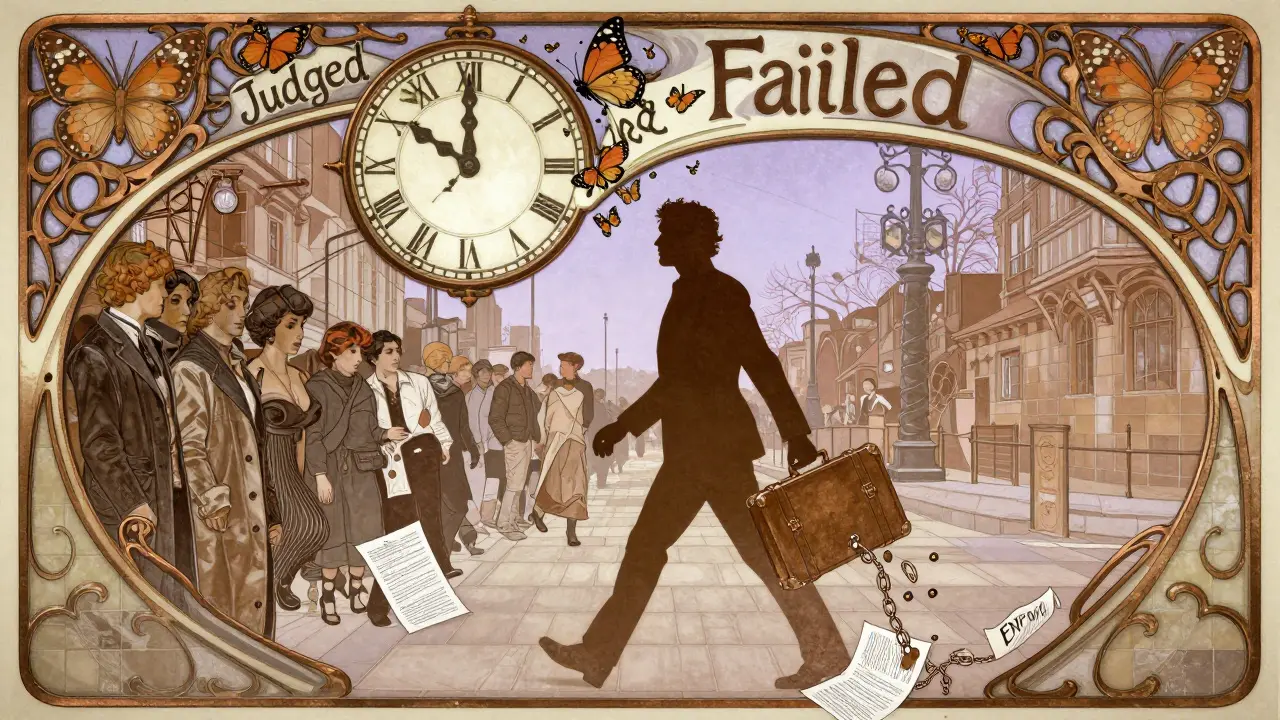
Social Anxiety Disorder isn’t just shyness. It’s the terror of being watched, judged, or embarrassed. Speaking up in a meeting, eating in public, even making small talk can feel like walking into a firing squad. People with this disorder often spend hours replaying conversations, convinced they looked stupid or said something wrong.
Specific Phobias are intense fears of particular things - spiders, heights, flying, needles. The fear isn’t rational, but the physical reaction is real: trembling, nausea, sweating, even fainting. Many people manage by avoiding triggers, but that limits their lives. A fear of flying means missing family weddings. A fear of needles means skipping vaccines or blood tests.
Obsessive-Compulsive Disorder (OCD) used to be grouped under anxiety disorders. Now it’s separate, but the link is clear. Intrusive thoughts - like worrying you left the stove on or that you harmed someone - trigger unbearable anxiety. To ease it, people perform rituals: washing hands 20 times, checking locks repeatedly, counting steps. The rituals don’t fix the fear. They just give temporary relief.
Separation Anxiety Disorder isn’t just for kids. Adults with this condition feel extreme distress when separated from loved ones - a partner, a child, even a pet. They may call constantly, refuse to travel, or panic when their partner leaves the room. It’s not attachment - it’s terror of loss.
Selective Mutism mostly affects children. They speak freely at home but freeze up in school or with strangers. It’s not defiance. It’s paralysis. The anxiety is so overwhelming, the voice shuts down completely.
What Do the Symptoms Actually Look Like?
Anxiety doesn’t just live in your head. It lives in your body.During a panic attack, your heart rate can spike to 140 beats per minute. You might sweat so much your clothes stick to your back. Your hands shake. Your chest feels like it’s being crushed. You can’t catch your breath. These aren’t "just in your head." They’re real, measurable physiological responses - your body’s alarm system going off when there’s no fire.
Cognitively, anxiety distorts thinking. You might have racing thoughts that won’t stop. Or you might feel mentally foggy, unable to focus on work or even watch TV. Catastrophic thinking is common: "If I make a mistake at work, I’ll get fired, lose my home, end up homeless." Rumination - replaying the same worry over and over - is another hallmark. People with GAD report thinking about their worries 91% of the time.
Emotionally, anxiety feels like walking around with a constant sense of dread. You might feel like something terrible is about to happen - even when everything is fine. Fear of losing control is intense. You might think, "If I panic in public, I’ll scream or pass out and everyone will laugh."
These symptoms don’t show up all at once. They build. A person with social anxiety might start avoiding parties. Then they stop answering calls. Then they quit their job because meetings are too stressful. Before long, isolation sets in - and depression often follows.
What Treatments Actually Work?
There’s no magic pill. But there are two treatments with decades of solid research behind them: cognitive behavioral therapy (CBT) and SSRIs.CBT isn’t just talking. It’s training. You learn to spot distorted thoughts - like "Everyone thinks I’m awkward" - and test them. Did people really laugh? Or did you just assume they did? You also learn exposure: slowly, safely, facing the things you fear. A person afraid of elevators might start by standing near one. Then stepping in for 10 seconds. Then riding one floor. Each step reduces the fear. Studies show 60-80% of people with social anxiety or phobias see major improvement after CBT.
Medication doesn’t cure anxiety - it calms the system enough for therapy to work. SSRIs like sertraline (Zoloft) and fluoxetine (Prozac) increase serotonin, a brain chemical linked to mood and fear regulation. They take 4-8 weeks to kick in. Side effects? Nausea, sleep changes, low libido - but most fade after a few weeks. About 40-60% of people see significant symptom reduction.
Why not benzodiazepines like Xanax? They work fast - sometimes in 30 minutes. But they’re addictive. Up to 30% of people who use them long-term develop dependence. They also dull your thinking. For long-term recovery, they’re a bandage, not a cure.
Other options are gaining ground. Acceptance and Commitment Therapy (ACT) teaches you to accept anxious thoughts without fighting them - like letting clouds pass in the sky. It’s just as effective as CBT for many. Digital tools like nOCD and Wysa offer guided CBT exercises through apps. Clinical trials show 35-45% symptom reduction in just 8 weeks.
Why Do So Many People Still Struggle?
Even with proven treatments, most people don’t get help - or don’t stick with it.Wait times for therapists can be 6-8 weeks. Insurance often limits you to 10 sessions a year. Some people start CBT, then quit because exposure feels too hard. "I wanted to get better, but facing my fear made me feel worse," one Reddit user wrote. That’s normal. Progress isn’t linear. Symptoms often flare before they improve.
Medication side effects turn people off. One person switched from an SSRI to buspirone because the SSRI made them feel "emotionally numb." Others can’t afford copays. Or they’re ashamed. Even today, some still think anxiety is a weakness.
The reality? Only 37% of people in one VA study achieved full remission after six months. That’s not failure. It’s a system problem. Treatment needs to be more accessible, flexible, and sustained.
What’s New in Treatment?
Science is moving fast. In 2023, the FDA approved zuranolone (Zurzuvae), the first oral drug specifically for postpartum anxiety. It works differently than SSRIs - targeting brain receptors linked to stress response. In trials, 54% of women went into remission within two weeks.Researchers are now using brain scans to identify three distinct "anxiety biotypes." This could mean future treatments are personalized: if your brain shows Type A anxiety, you get Therapy X. If it’s Type B, you get Therapy Y. No more trial and error.
Ketamine, once known as a party drug, is now being studied for treatment-resistant anxiety. In 2022 trials, it reduced symptoms in 65% of people within hours - a breakthrough for those who’ve tried everything else.
AI tools are getting smarter. One Stanford study used wearable sensors and voice analysis to predict panic attacks with 87% accuracy - up to 24 hours in advance. Imagine getting a gentle alert on your phone: "Your stress levels are spiking. Try your breathing exercise now."
How to Start Getting Help
You don’t need to fix everything today. Start small.- Take a free, anonymous screening from the Anxiety and Depression Association of America. It takes 5 minutes.
- Ask your primary care doctor for a referral to a therapist who specializes in anxiety. Don’t wait for the "perfect" therapist - start with someone available now.
- If medication feels right, ask about SSRIs. Give them 6-8 weeks. Don’t quit because of early side effects.
- Try a CBT app like nOCD or Woebot. Use it for 15 minutes a day. It’s not a replacement for therapy, but it helps.
- Join a support group. Talking to others who get it - without judgment - reduces shame. NAMI offers free weekly groups across the U.S.
Recovery isn’t about never feeling anxious again. It’s about regaining control. It’s about being able to go to the grocery store without panic. To speak up in a meeting without shaking. To sleep through the night.
You don’t have to suffer in silence. The tools exist. The science is clear. Help is out there - and it works.
What’s the difference between normal worry and an anxiety disorder?
Normal worry is temporary and tied to a real situation - like stressing about a job interview. Anxiety disorders involve persistent, excessive worry that lasts for months, interferes with daily life, and isn’t proportional to the actual threat. If your worry keeps you from working, socializing, or sleeping, it’s likely more than normal stress.
Can anxiety disorders go away on their own?
Sometimes symptoms lessen over time, especially with lifestyle changes. But without treatment, most anxiety disorders persist or worsen. Avoidance behaviors grow stronger. The brain learns that running away is the only way to feel safe. This makes recovery harder later. Early intervention leads to better outcomes.
Is CBT really better than medication?
CBT and medication are both effective, but CBT teaches skills that last after treatment ends. Medication manages symptoms while you’re taking it. Studies show CBT has lower relapse rates - people who complete therapy are less likely to return to severe anxiety later. Many experts recommend combining both: medication to reduce symptoms enough to do the work of therapy.
How long does CBT take to work?
Most people start noticing changes in 4-6 weeks. Significant improvement usually happens by session 12. Full treatment typically lasts 12 to 20 weekly sessions. It’s not quick, but the results are lasting. People often say, "I didn’t realize I could feel this calm again."
Are anxiety medications addictive?
SSRIs and SNRIs - the first-line medications - are not addictive. You won’t get high from them, and they don’t cause cravings. Benzodiazepines like Xanax or Ativan, however, carry a risk of dependence with long-term use. That’s why doctors avoid prescribing them for ongoing anxiety. They’re only recommended for short-term, crisis use.
Can children have anxiety disorders?
Yes. Half of all anxiety disorders begin by age 11. In kids, it might look like refusing to go to school, constant physical complaints (stomachaches, headaches), or extreme clinginess. Selective mutism is a childhood anxiety disorder. Early treatment - especially CBT adapted for children - is highly effective and can prevent lifelong struggles.
What if I can’t afford therapy?
Many community health centers offer sliding-scale fees based on income. Online therapy platforms like Open Path Collective connect people with licensed therapists charging $30-$60 per session. Free or low-cost CBT apps (like Woebot or Sanvello) can help manage symptoms while you wait for therapy. Support groups through NAMI or ADAA are always free.


Allison Deming
January 15, 2026 AT 13:56It’s deeply concerning how society continues to pathologize normal human emotional responses under the umbrella of "disorders." Anxiety, in its essence, is an evolutionary adaptation - not a disease to be medicated into submission. The pharmaceutical-industrial complex has successfully rebranded discomfort as pathology, and now we’re told to swallow SSRIs like candy while ignoring the root causes: economic precarity, social isolation, and the collapse of communal support structures. CBT may "work" in clinical trials, but it’s a Band-Aid on a bullet wound when the system itself is the source of the trauma.
Moreover, the framing of anxiety as purely individual is dangerously reductive. Why are we not asking why 19% of adults are chronically terrified? Is it the algorithmic dread of social media? The 80-hour workweeks? The fact that rent consumes 60% of income in most cities? We treat symptoms while ignoring the epidemic of despair that birthed them.
And let’s not pretend Zuranolone is a breakthrough - it’s just another profit-driven rebranding of neurochemical manipulation. The real cure? Universal healthcare, paid parental leave, affordable housing, and the dismantling of performative capitalism. But that’s too radical for a Reddit post, isn’t it?
So we get apps and CBT modules and serotonin boosters. Meanwhile, the world burns, and we’re told to breathe through it.
And yes, I’ve read the DSM-5. I’ve also read Marx. The latter explains more.
Stop treating the symptom. Fix the structure.
Dylan Livingston
January 16, 2026 AT 07:10Oh wow. Another 3,000-word manifesto masquerading as a "helpful guide." How quaint. You really think the average person giving a damn about "anxiety biotypes" or "zuranolone"? Please. Most people just want to know if they’re broken or if they’re just… tired. And you? You’re out here dropping terms like "catastrophic thinking" like it’s a TED Talk at Davos.
Meanwhile, my cousin took Prozac for six months and felt like a zombie. She quit. Now she hikes every weekend. Guess what? Her anxiety dropped. No app. No therapist. Just dirt under her nails and a dog named Barry.
Also - "selective mutism is a childhood disorder"? Oh honey, I knew a kid who didn’t speak in school because his dad yelled at him for saying the wrong thing. Not anxiety. Abuse. But sure, let’s slap a DSM label on it and call it a day.
Stop over-intellectualizing human suffering. Sometimes the answer isn’t a 12-session CBT protocol. It’s a hug. Or silence. Or a walk. Not a pill.
And for the love of god, stop pretending the VA study is the end-all. That’s a bureaucratic footnote, not a truth.
Sarah Triphahn
January 17, 2026 AT 22:36People don’t get it. Anxiety isn’t about fear. It’s about control. You think you’re afraid of elevators? No. You’re afraid you’ll lose control in one. That’s the core. The body’s just the messenger.
And CBT? It’s just teaching people to lie to themselves better. "Oh, no one was judging me" - yeah, right. They were. You just learned to pretend they weren’t. That’s not healing. That’s performance.
And SSRIs? They don’t fix anything. They just mute the scream. You still feel the knife. You just don’t hear it anymore.
Real recovery? It’s not in apps. It’s not in therapy. It’s in community. In someone looking you in the eye and saying, "I see you. And I’m not leaving."
But that’s too human for this system.
So we get apps.
And pills.
And biotypes.
And we call it progress.
Susie Deer
January 19, 2026 AT 11:01Andrew Freeman
January 19, 2026 AT 20:24says haze
January 20, 2026 AT 15:59There’s a profound irony in how we’ve turned existential dread into a clinical algorithm. The entire framework of anxiety as a disorder assumes the self is a broken machine to be calibrated - when in fact, it’s a sentient being responding to a world that is, objectively, terrifying. Capitalism commodifies fear. Therapy commodifies healing. Apps commodify mindfulness.
CBT teaches you to reframe your thoughts - but what if your thoughts are accurate? What if the world *is* collapsing? What if the system *is* designed to make you anxious? Reframing doesn’t fix that. It just makes you complicit.
And let’s be honest: the fact that we need a pill to treat the side effects of a pill - that’s not medicine. That’s systemic collapse dressed in white coats.
The biotypes? Fascinating. But they’re still just taxonomy. We’re still measuring the symptom, not the source.
True liberation isn’t in reducing serotonin spikes. It’s in dismantling the structures that generate them.
But hey - at least we have Woebot to tell us we’re not alone.
How comforting.
Alvin Bregman
January 20, 2026 AT 21:09Been there. Still here. I used to think i was broken because i couldnt handle crowds. then i realized i was just tired of pretending everything was fine. therapy helped but not because it "fixed" me. it helped me stop fighting myself.
the real thing? finding people who dont try to fix you. just sit with you. that’s the cure. not apps. not pills. just presence.
also i dont believe in biotypes. people are too messy for that. we’re not lab rats with serotonin levels.
but yeah. if you need to take something to get through the day - do it. no shame. just dont let anyone tell you its the only way.
you’re not broken. the world is just loud.
Sarah -Jane Vincent
January 22, 2026 AT 03:50Everyone’s missing the real story. Anxiety isn’t biological. It’s a psyop. The government and Big Pharma are pushing this narrative so you’ll stay docile. SSRIs make you passive. CBT makes you accept your oppression. Zuranolone? A new way to drug the masses. They don’t want you to be alert - they want you to be numb.
Why do you think the VA study only shows 37% remission? Because they’re not treating the real cause - the surveillance state, the media manipulation, the constant fear of economic collapse. They want you to think it’s your brain - not the system.
And the apps? They’re data harvesters. Every time you log a panic attack, they sell your anxiety to advertisers. You’re not getting help. You’re being monetized.
Stop taking the pills. Stop using the apps. Stop believing the narrative. The cure isn’t in your head. It’s in rebellion.