
Opioid-Induced Androgen Deficiency (OPIAD) Risk Estimator
Input your current medication details and lifestyle factors to estimate your baseline risk for Opioid-Induced Androgen Deficiency.
to see your personalized estimate.
Did you know that long-term opioid use can cut your testosterone levels by half? It’s a side effect that often flies under the radar while patients focus on pain relief. This condition, known as Opioid-Induced Androgen Deficiency (OPIAD), affects up to 90% of men on chronic opioid therapy. If you’ve been taking opioids for more than three months and feel unusually tired, moody, or less interested in sex, your hormones might be the culprit. Understanding this link is crucial because untreated low testosterone doesn’t just impact libido; it affects bone density, muscle mass, and even heart health.
What Is Opioid-Induced Androgen Deficiency?
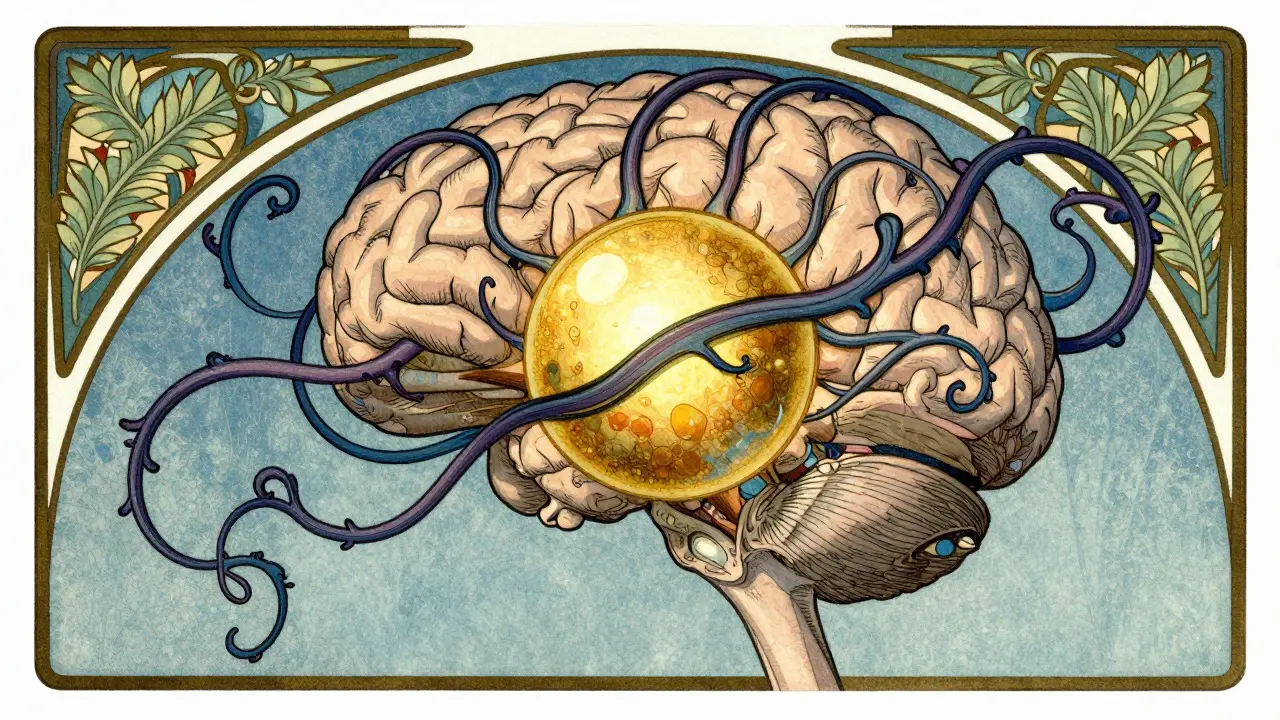
Opioid-Induced Androgen Deficiency is a hormonal disorder where prolonged opioid use suppresses natural testosterone production. Also referred to as OPIAD, it was first systematically documented in medical literature in the early 2000s. The mechanism involves opioids interfering with the hypothalamic-pituitary-gonadal (HPG) axis. Specifically, opioids activate mu-opioid receptors in the brain's hypothalamus, which reduces the pulsatile release of gonadotropin-releasing hormone (GnRH). When GnRH drops, the pituitary gland produces less luteinizing hormone (LH), signaling the testes to stop making enough testosterone.
This isn't just a theoretical risk. A meta-analysis published in the Journal of the Endocrine Society in 2021 compared 800 opioid users against nearly 2,000 controls. The results showed that opioid users had approximately half the testosterone levels of those not on opioids. The suppression is dose-dependent; the longer you take opioids, the lower your levels tend to drop. Patients using opioids for over a year often see levels fall 50-75% below their baseline.
Recognizing the Symptoms of Low Testosterone
Symptoms develop insidiously, often creeping in over 3 to 6 months of continuous therapy. Because these signs overlap with general fatigue or aging, they are easily missed. Here are the most common indicators:
- Sexual Dysfunction: Low libido is reported in 68-85% of affected males. Erectile dysfunction occurs in 60-75% of cases.
- Chronic Fatigue: Measured via the Fatigue Severity Scale, scores are typically 2.5 times higher than normal in untreated OPIAD patients.
- Mood Changes: Irritability and depressed mood are prevalent, with depression symptom scores 40% higher than in non-affected individuals.
- Body Composition Shifts: You may notice decreased muscle mass and increased visceral fat (belly fat).
- Bone Health Issues: Bone mineral density can decrease by 15-20% in the lumbar spine, increasing fracture risk.
- Anemia: Hemoglobin levels may drop to an average of 12.3 g/dL, compared to the normal range of 14-18 g/dL.
It’s worth noting that women on long-term opioids can also experience hormonal changes, though the primary focus of clinical data remains on male testosterone suppression. For women, symptoms might include irregular cycles or low energy, potentially linked to dehydroepiandrosterone (DHEA) fluctuations.
Which Opioids Cause the Most Suppression?
Not all opioids affect testosterone equally. Long-acting opioids tend to cause more profound suppression due to cumulative effects on GnRH pulsatility. Research highlights specific differences between common maintenance therapies:
| Opioid Type | Average Total Testosterone (ng/dL) | Suppression Risk |
|---|---|---|
| Methadone | 245 | High |
| Buprenorphine | 387 | Moderate |
| Normal Male Range | 300 - 1000 | N/A |
As shown above, men on methadone maintenance therapy have significantly lower average testosterone levels than those on buprenorphine. Intrathecal opioids (delivered directly into the spinal fluid) can also cause rapid suppression of sex hormones. If you are on a long-acting opioid like methadone or oxycodone, you are at higher risk than someone using short-acting agents for acute pain.
Diagnosis: How to Confirm OPIAD
You can’t diagnose this based on feelings alone. Proper diagnosis requires blood work. The gold standard is measuring serum testosterone levels. However, timing matters. Testosterone follows a diurnal rhythm, peaking in the morning. Therefore, blood tests should be taken between 7:00 AM and 10:00 AM.
- Initial Screening: Use validated tools like the ADAM (Androgen Deficiency in Aging Males) questionnaire. Three or more positive responses indicate a need for lab testing.
- Lab Confirmation: Get total and free testosterone measured. The Endocrine Society recommends two separate low measurements to confirm hypogonadism, ruling out temporary fluctuations.
- Baseline Assessment: Before starting any treatment, establish your current levels and check for other conditions that could mimic low testosterone, such as thyroid issues or sleep apnea.
Your doctor will likely order additional tests, including prostate-specific antigen (PSA) levels for men over 50, to ensure it’s safe to proceed with hormone-related interventions.
Treatment Options and Management Strategies
Once diagnosed, you have several paths forward. The choice depends on your overall health, risk factors, and preference. The two main categories are pharmacological replacement and lifestyle optimization.
Testosterone Replacement Therapy (TRT)
Testosterone Replacement Therapy is the administration of exogenous testosterone to restore physiological levels. TRT has been shown to improve sexual function, reduce pain sensitivity, and improve body composition. In randomized controlled trials, men receiving TRT saw their International Index of Erectile Function scores jump from 12.5 to 19.8. They also gained lean muscle mass and lost fat over six months.
Common delivery methods include:
- Injections: Testosterone cypionate or enanthate, 100-200 mg every 1-2 weeks.
- Gels: Topical application providing 4-6 mg absorption daily.
- Patches: Transdermal patches delivering 5-7.5 mg daily.
- Buccal Tablets: Placed inside the cheek, 30 mg twice daily.
Monitoring is critical. Serum levels should be checked 3-6 months after starting therapy and annually thereafter. Target levels are generally maintained between 350-750 ng/dL. However, TRT carries risks, including polycythemia (increased red blood cell count), which occurs in 15-20% of users, and potential cardiovascular concerns. Men with a history of prostate or breast cancer should avoid TRT unless closely monitored by an oncologist.
Lifestyle and Natural Approaches
If you prefer to avoid medication, or if TRT is contraindicated, lifestyle changes can help mitigate some effects of OPIAD. While these won't fully reverse the opioid-induced suppression, they support overall hormonal health:
- Resistance Exercise: Three sessions per week can boost testosterone by 15-25%.
- Sleep Optimization: Getting 7-9 hours of quality sleep correlates with 20% higher levels.
- Weight Management: Maintaining a BMI under 25 is associated with 20-30% higher testosterone.
- Dietary Adjustments: Avoiding excessive alcohol (more than 14 drinks/week lowers levels by 25%) and quitting smoking (smokers have 15-20% lower levels).
For women, DHEA supplementation may be considered, though evidence is less robust than for male TRT.

Risks and Considerations
Before jumping into TRT, understand the trade-offs. The FDA added black box warnings to testosterone products in 2015, updated in 2019, highlighting potential cardiovascular risks. Studies show that testosterone recipients among long-term opioid users actually had *lower* rates of major adverse cardiac events and fractures compared to non-recipients, suggesting TRT might be protective in this specific population. However, individual risk varies.
Key risks to monitor include:
- Polycythemia: Thickening of the blood, increasing stroke risk.
- Cholesterol Changes: HDL cholesterol may drop by 10-15 mg/dL.
- Fertility Impact: External testosterone suppresses natural sperm production. If fertility is a concern, discuss alternatives like hCG injections with your doctor.
- Prostate Health: Regular PSA monitoring is required for men over 50.
The VA Whole Health Library cautions that "low testosterone is a diagnosis being promoted by the makers of testosterone medications." While this skepticism is healthy, the clinical data supporting OPIAD is strong. The key is balanced, informed decision-making with a healthcare provider who understands both pain management and endocrinology.
Frequently Asked Questions
How long does it take for testosterone to recover after stopping opioids?
Recovery varies significantly. For some men, levels normalize within 3-6 months of discontinuing opioids. For others, especially those on long-term therapy, recovery can take over a year or may require temporary TRT to kickstart the HPG axis. Regular monitoring is essential during this period.
Can I take TRT while still on opioids?
Yes, it is possible to take TRT while continuing opioid therapy. Many clinicians prescribe TRT to manage OPIAD symptoms without requiring the patient to stop their pain medication. However, close coordination between your pain specialist and endocrinologist is vital to monitor for interactions and side effects.
Does OPIAD affect women?
Yes, although less studied than in men. Opioids can disrupt the menstrual cycle and lower estrogen and progesterone levels in women. Symptoms may include hot flashes, mood swings, and bone loss. Women experiencing these symptoms should request comprehensive hormone panel testing.
Is OPIAD permanent?
In most cases, OPIAD is reversible once opioid exposure ceases. However, the duration of reversal depends on how long the suppression lasted. Prolonged suppression can lead to testicular shrinkage, which may delay full recovery. Early intervention improves outcomes.
What is the best time to get a testosterone test?
The best time is in the morning, between 7:00 AM and 10:00 AM, on an empty stomach. Testosterone levels peak in the early morning and decline throughout the day. Testing later in the day can yield falsely low results.