
When you take a medication, you expect it to help. But sometimes, the very drug meant to fix one problem ends up hurting another part of your body. This isn’t rare. In fact, organ-specific side effects are one of the most common reasons people end up in the hospital because of their meds. The liver, kidneys, heart, and nervous system don’t just get caught in the crossfire-they’re often the main targets. And understanding how and why this happens can mean the difference between a safe treatment and a life-threatening reaction.
Liver: The Silent Overload
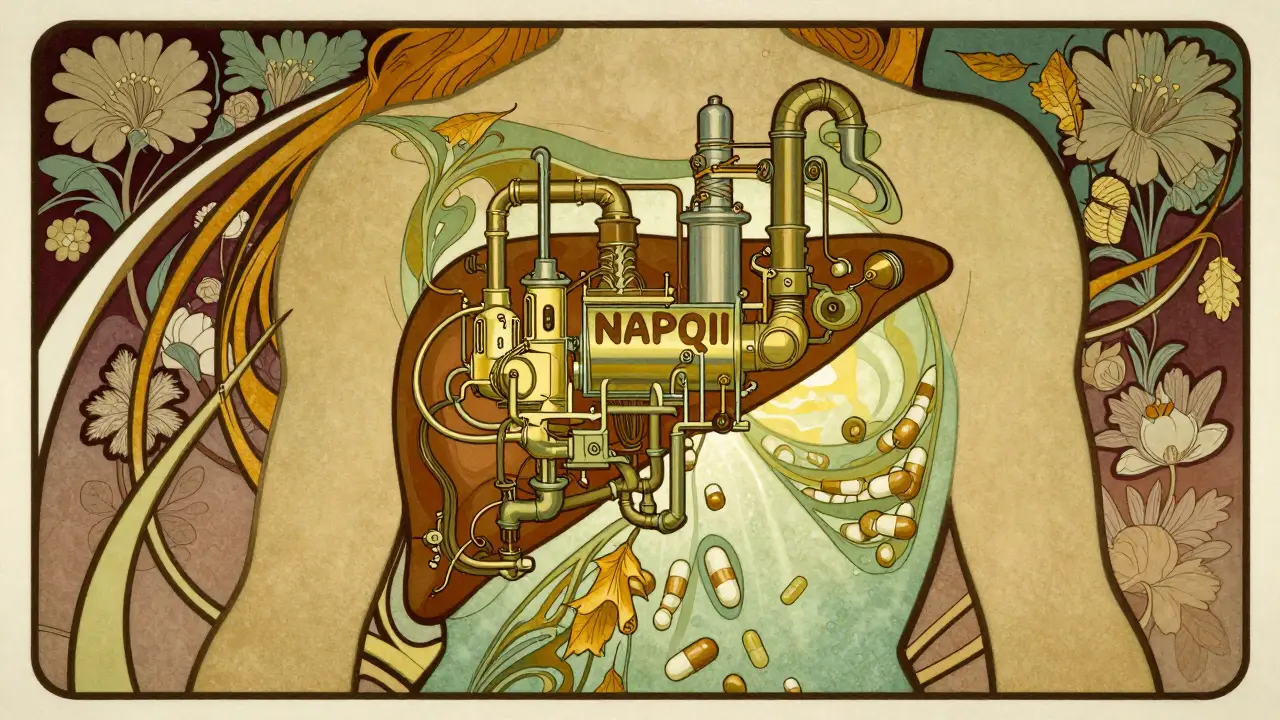
Your liver is your body’s chemical factory. It processes everything you swallow, inject, or inhale. That makes it incredibly vulnerable. About 60% of drug-related liver injuries come from reactive chemicals created during metabolism. The most common offender? Acetaminophen. Take too much-more than 7.5 grams in a single day-and your liver’s natural defenses, like glutathione, get wiped out. What’s left is a toxic byproduct called NAPQI that starts killing liver cells. Every year in the U.S., acetaminophen overdose leads to over 500 deaths and tens of thousands of hospital visits. But it’s not just overdoses. Prescription drugs like isoniazid (used for tuberculosis) can quietly damage the liver over weeks or months. People with certain genetic variants in the NAT2 gene metabolize it slower, building up toxic levels without realizing it. Statins, often blamed for muscle pain, also raise liver enzymes in up to 2% of users. That’s not always a problem-but if ALT levels jump more than three times the normal limit, it’s a red flag. The American Association for the Study of Liver Diseases says: stop the drug if ALT is over 5x the upper limit, or if bilirubin also climbs. Fatigue, nausea, dark urine, and yellowing eyes? Don’t wait. Get tested.Kidneys: The Filters That Can’t Filter
Your kidneys don’t just remove waste-they’re also the first line of defense against drugs that shouldn’t stick around. But some medications turn them into battlegrounds. Aminoglycosides like gentamicin are classic culprits. They sneak into kidney cells through special receptors, wreck mitochondria, and cause cell death. Up to half of patients on long-term gentamicin develop kidney damage. Even common NSAIDs like ibuprofen can trigger acute kidney injury in older adults, especially those already dehydrated or on blood pressure meds. One study found ibuprofen alone accounts for 15% of kidney failures in people over 65. Contrast dye used in CT scans? It’s generally safe-but if your kidneys are already struggling, the risk jumps from 1% to over 50%. Vancomycin, a powerful antibiotic, becomes dangerous when blood levels exceed 15 mg/L. Each 5 mg/L increase above that raises kidney injury risk by 30%. The problem? Many patients don’t feel a thing until a routine blood test shows creatinine has spiked. That’s why guidelines from KDIGO say: check kidney function before starting risky drugs, adjust doses early, and never ignore a rising creatinine. Your kidneys don’t scream. They whisper. And by the time they shout, it’s often too late.
Heart: When the Pump Starts Failing
Heart damage from drugs isn’t always dramatic. Sometimes it’s slow, silent, and irreversible. Doxorubicin, a chemotherapy drug, is one of the worst offenders. After a total dose over 450-500 mg/m², about 1 in 4 patients develop heart failure. The mechanism? It binds to iron in heart cells, creating free radicals that destroy muscle tissue. That’s why doctors track left ventricular ejection fraction (LVEF) before and during treatment. If LVEF drops more than 15 points from baseline-or falls below 45%-treatment stops. Then there are newer drugs like immune checkpoint inhibitors. Used to fight cancer, they can accidentally turn the immune system against the heart. Myocarditis from these drugs is rare-under 1%-but deadly. Half of those affected die. Symptoms? Chest pain, shortness of breath, irregular heartbeat. Often mistaken for a cold or flu. The FDA’s Sentinel system flagged this signal within months of widespread use. Fluoroquinolone antibiotics like ciprofloxacin are another surprise. A 2018 study found they increase the risk of aortic aneurysm by 31% in people who take them for just 60 days. And antipsychotics? Haloperidol, ziprasidone, and others can stretch the heart’s electrical timing, lengthening the QT interval by 20-40 milliseconds. That can trigger dangerous arrhythmias, especially if you’re already on other QT-prolonging drugs.Neurologic: The Brain and Nerves Under Siege
Your brain and nerves don’t have much protection from circulating drugs. That’s why some medications cause long-term damage without warning. Platinum chemo drugs like cisplatin and oxaliplatin damage nerves in 30-70% of patients. Cisplatin causes a slow, burning numbness in hands and feet. Oxaliplatin? It triggers sudden, painful spasms when you touch something cold-even ice water. That’s not a side effect you forget. Then there’s the quiet threat: proton pump inhibitors (PPIs). These are among the most prescribed drugs in the world. But long-term use-over 4.4 years-raises dementia risk by 21%. Why? We’re not sure yet. Maybe it’s reduced vitamin B12 absorption. Maybe it’s inflammation in the brain. Either way, the data is clear. Phenytoin, an old epilepsy drug, causes cerebellar atrophy in up to 40% of long-term users. It’s visible on MRI: shrunken brain tissue, unsteady gait, slurred speech. And immune checkpoint inhibitors? They don’t just attack the heart. They can trigger Guillain-Barré syndrome, myasthenia gravis, and encephalitis. In one study, 3.8% of patients on these drugs developed serious neurologic issues.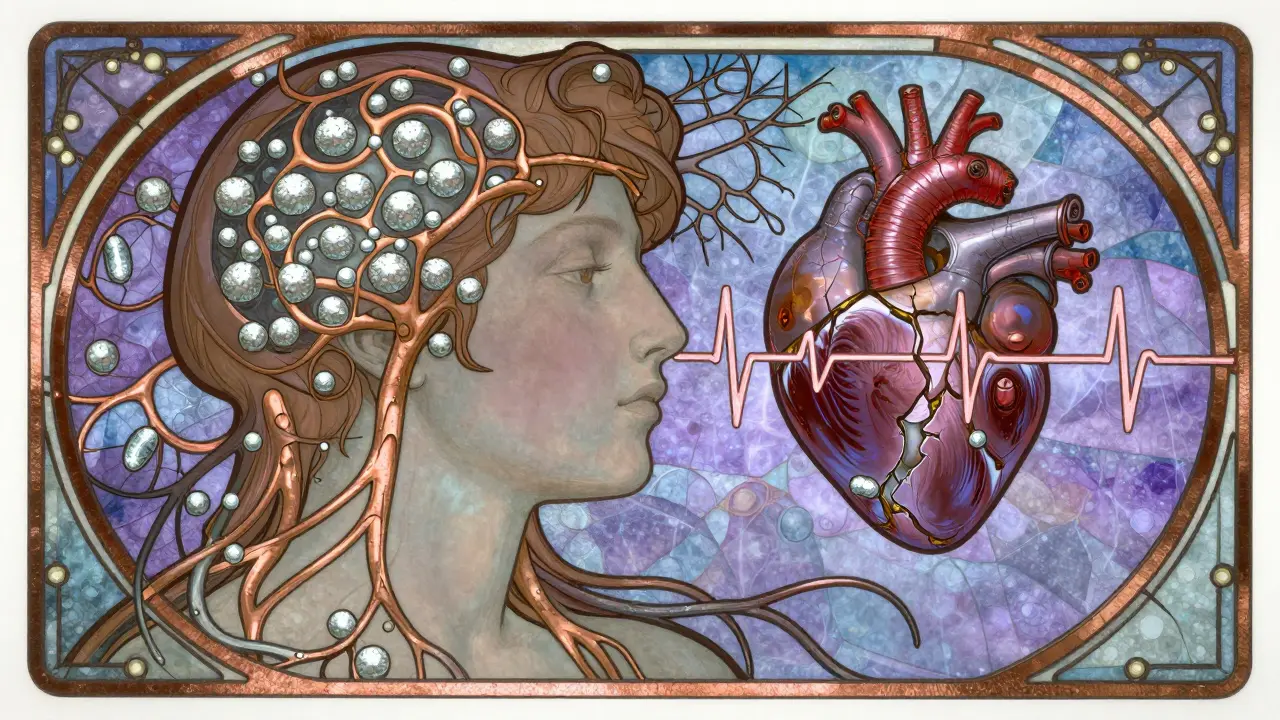
How to Protect Yourself
You can’t avoid all side effects-but you can reduce your risk. Start with these steps:- Know your baseline. Get kidney and liver tests before starting new meds, especially if you’re over 65 or have diabetes, high blood pressure, or existing disease.
- Track symptoms. Fatigue, dark urine, swelling in legs, chest pain, tingling in fingers? Write them down. Don’t assume they’re normal.
- Ask about alternatives. If you’re on a drug with known organ risks, ask: Is there a safer option? Can we lower the dose? Is there a monitoring plan?
- Check for interactions. A single drug might be fine. But combine it with another, and toxicity skyrockets. Always tell your doctor what supplements, OTC meds, and herbs you take.
The Future: Better Detection, Safer Drugs
The good news? Science is catching up. In 2023, the FDA approved the first biomarker panel for liver damage that detects injury 3-5 days before ALT levels rise. It measures microRNA-122 and keratin-18 fragments-signs your liver cells are dying before you even feel sick. Kidney researchers are testing similar tools using TIMP-2 and IGFBP7 to catch early damage before creatinine climbs. Even more promising? Organ-on-chip technology. Scientists now grow human liver, kidney, and heart cells on microchips that mimic real tissue. These chips predict toxicity with 92% accuracy-far better than animal tests. Pharmaceutical companies using them have cut late-stage drug failures by 18%. AI systems are being rolled out in hospitals to scan electronic records for early signs of organ damage. By 2030, the WHO expects these tools to cut toxicity-related deaths by 25%. The bottom line? Organ-specific side effects aren’t random. They’re predictable. And now, we’re getting better at seeing them before they happen.Can organ-specific side effects be reversed?
Sometimes, yes-if caught early. Liver damage from acetaminophen can heal completely if treated with N-acetylcysteine within 8 hours. Kidney injury from NSAIDs often improves after stopping the drug and rehydrating. But some damage is permanent. Heart muscle lost to doxorubicin doesn’t regenerate. Nerve damage from platinum chemo can linger for years. Early detection is everything.
Are some people more at risk for organ toxicity?
Absolutely. Genetics play a big role. People with slow NAT2 metabolism are more likely to get liver damage from isoniazid. Those with SLCO1B1 gene variants have a 4.5-fold higher risk of statin-induced liver injury. Older adults, people with diabetes, kidney disease, or chronic alcohol use are also at higher risk. Always tell your doctor your full medical history-including family health patterns.
Do over-the-counter drugs cause organ damage?
Yes. Acetaminophen is the leading cause of acute liver failure in the U.S. Long-term use of NSAIDs like ibuprofen and naproxen can damage kidneys, especially in older adults. Even herbal supplements like green tea extract, kava, and certain weight-loss products have been linked to liver injury. Just because it’s sold without a prescription doesn’t mean it’s safe.
How often should I get my liver and kidney checked?
If you’re on a high-risk medication, your doctor should test you before starting and then every 4-8 weeks for the first few months. After that, checks every 3-6 months are typical. For people over 65 or with existing conditions, annual kidney and liver panels are recommended-even if you’re not on meds. Many people don’t know their kidney function is declining until it’s too late.
What should I do if I think I’m having an organ-specific side effect?
Don’t stop the drug on your own. Call your doctor immediately. Describe your symptoms, when they started, and what meds you’re taking. If you have chest pain, trouble breathing, confusion, or sudden weakness, go to the ER. These could be signs of heart, brain, or nerve damage that needs urgent care. Delaying can make things worse.

Dean Jones
March 4, 2026 AT 18:51Betsy Silverman
March 4, 2026 AT 19:55Gretchen Rivas
March 5, 2026 AT 08:11Chris Beckman
March 6, 2026 AT 17:36Ivan Viktor
March 7, 2026 AT 12:16Zacharia Reda
March 7, 2026 AT 23:02Mike Dubes
March 8, 2026 AT 01:56Stephen Vassilev
March 9, 2026 AT 07:27Helen Brown
March 10, 2026 AT 12:20John Cyrus
March 12, 2026 AT 08:21John Smith
March 12, 2026 AT 10:19Richard Elric5111
March 12, 2026 AT 23:28Jeff Card
March 14, 2026 AT 08:39