
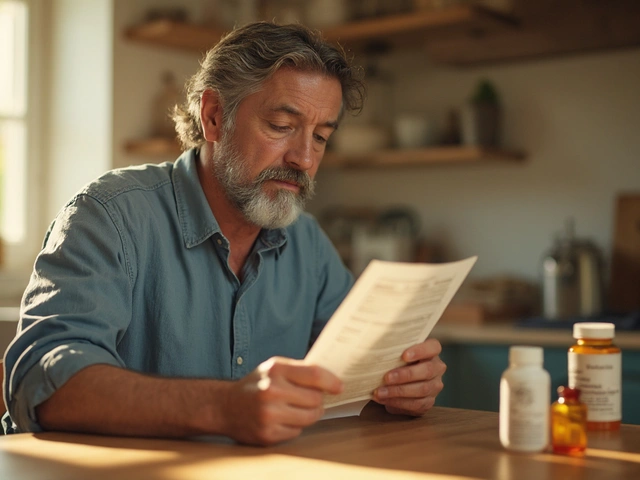
You find a bottle of painkillers in your bathroom cabinet. The date on the label says it expired six months ago. Do you toss it in the trash, or do you pop one for that nagging headache? It’s a common dilemma. We’ve all been there-standing in front of a medicine cabinet, wondering if that old stash is still good or if it’s now just expensive garbage.
The short answer is complicated. For most solid pills, taking an expired medication won’t kill you, but it might not work as well as you need it to. For others, like life-saving injectors or liquid antibiotics, using them past their date can be dangerous or even fatal. The rules change depending on what the drug is, how it was stored, and why you’re taking it.
What Does "Expiration Date" Actually Mean?
When you see expiration date on a medicine bottle, it isn’t a magic switch that turns the drug into poison at midnight. Instead, it’s a guarantee from the manufacturer. Under U.S. Food and Drug Administration (FDA) regulations established in 1979, this date marks the last day the company promises the drug will retain its full potency, purity, and safety, provided it has been stored correctly.
Pharmaceutical companies run rigorous stability tests to set these dates. They expose drugs to heat, humidity, and light to simulate years of storage in a shorter time. If a pill retains 90% of its strength after five years in a hot room, the company might set the expiration date for two years to be safe. Once that date passes, the legal guarantee ends. The manufacturer no longer vouches for the drug’s performance.
This creates a gap between legal liability and chemical reality. Just because a company stops guaranteeing the drug doesn’t mean the molecule instantly vanishes. However, without that guarantee, you are flying blind regarding exactly how much active ingredient is left in each dose.
The Military Study That Changed Everything
Why do experts disagree so fiercely about expired meds? Much of the debate stems from a classified military program called the Shelf Life Extension Program (SLEP). Started in the 1980s, the U.S. Department of Defense needed to know if their stockpiled emergency medicines were still good. They didn’t want to waste billions replacing drugs that might still be potent.
The results were surprising. SLEP found that approximately 90% of the 122 drug products tested remained stable and effective up to 15 years past their expiration dates. This data fueled the myth that “expirations are just corporate greed.” But there’s a catch. These drugs were stored in controlled, cool, dry warehouses. They weren’t sitting in a humid bathroom cabinet next to a shower. Furthermore, the military focused on solid tablets and capsules. They did not test liquids, biologics, or complex injectables with the same rigor.
While this study proves many drugs last longer than labeled, it does not apply to every medicine in your home. Using military data to justify taking your grandma’s old nitroglycerin is a dangerous leap.
Which Medications Are Dangerous When Expired?
Not all drugs degrade the same way. Some lose strength slowly; others break down into harmful compounds. Here is where you must be extremely careful.
| Medication Type | Risk Level | Primary Danger |
|---|---|---|
| Tetracycline Antibiotics | High | Degrades into toxic compounds causing kidney failure (Fanconi syndrome) |
| Nitroglycerin | Critical | Loses 50% potency within 3 months of opening; ineffective during heart attacks |
| Epinephrine (EpiPen) | Critical | Potency loss can lead to fatal allergic reactions; better to use than nothing, but seek ER immediately |
| Insulin | High | Loses effectiveness rapidly; cloudiness indicates degradation; leads to uncontrolled blood sugar |
| Liquid Antibiotics | High | Bacterial contamination risk increases significantly after expiration |
| Solid Painkillers (Ibuprofen) | Low | May lose slight potency but generally safe for minor issues |
Tetracycline is the standout villain here. When this antibiotic expires, it breaks down into epianhydrotetracyclines. These byproducts are toxic to the kidneys. There are documented cases of people developing Fanconi syndrome-a rare form of acute kidney failure-after taking expired tetracycline. Never take expired tetracycline.
Nitroglycerin, used for chest pain and angina, degrades incredibly fast. Even if the bottle hasn’t expired, once you open it, the tablets start losing potency. Within three months of opening, they may be half as strong. Relying on weak nitroglycerin during a cardiac event is life-threatening.
Insulin and other biologics are proteins. They are fragile. Insulin loses about 10% of its potency per month after opening, even in the fridge. If your insulin looks cloudy or has particles in it, it has degraded. Using it can result in dangerously high blood sugar levels because the dose isn’t hitting your body effectively.
When Is It Okay to Use Expired Meds?
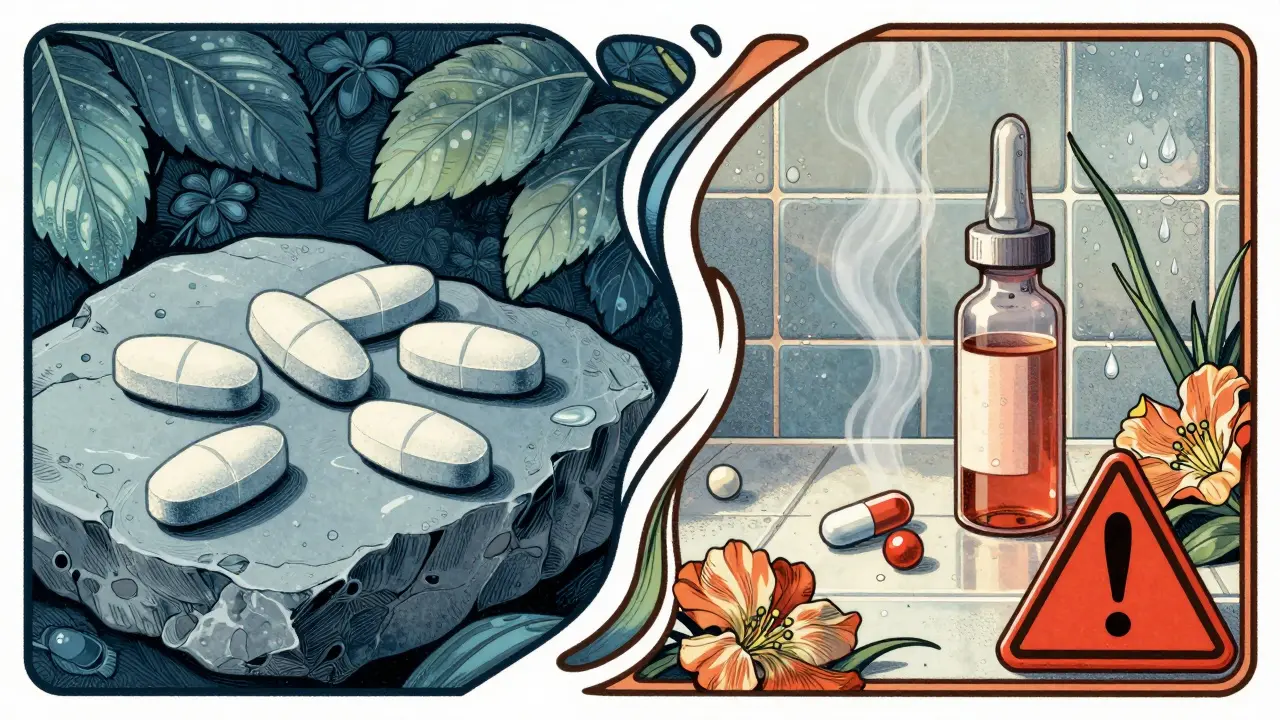
If you have a mild headache and only have ibuprofen that expired a year ago, you are likely fine. Solid oral dosage forms like acetaminophen and ibuprofen are chemically stable. Studies show they retain over 90% of their potency for several years past expiration if stored properly. In this case, the worst outcome is probably just less pain relief, not harm.
However, context matters. If you are relying on daily aspirin for heart health, do not use expired pills. Precise dosing is critical for preventative care. A 10% drop in potency might seem small, but for anticoagulants or thyroid medications, it can disrupt your treatment plan significantly.
There is one major exception: emergencies. If you are having a severe allergic reaction and your EpiPen is expired, use it. Swedish Health Services and emergency medicine specialists agree: an expired EpiPen is better than no EpiPen. It may have lost 20-30% of its strength, but it could still save your life. Just call emergency services immediately after using it.
Storage Matters More Than You Think
The biggest enemy of medication isn’t time; it’s environment. Most people store meds in the bathroom. This is a mistake. Bathrooms are hot and humid. Every time you shower, the temperature spikes and moisture rises. This accelerates chemical breakdown.
Research shows medications stored in bathrooms degrade 40% faster than those kept in cool, dry places. If you keep your drugs in a bedroom drawer or a kitchen cabinet away from the stove, they will last longer. Keep them in their original containers with the child-proof caps tight. Amber glass bottles offer better protection against light than clear plastic, which helps preserve potency.
Avoid storing meds in the car. Temperatures inside a vehicle can soar above 104°F (40°C) in summer. At that heat, liquid antibiotics can lose half their potency in just 72 hours. If your medicine has been sitting in a hot trunk, throw it out.
How to Dispose of Expired Medications Safely
Once you decide to replace your expired meds, don’t just flush them all down the toilet. While some drugs should be flushed due to overdose risks, most should not. Flushing contributes to water pollution and affects aquatic ecosystems.
The best method is to use a drug take-back program. The DEA runs National Take Back Days, and many local pharmacies have permanent drop-off boxes. Check if there is a collection site near you. As of 2023, there were over 14,000 authorized collection sites in the U.S., though access varies by location.
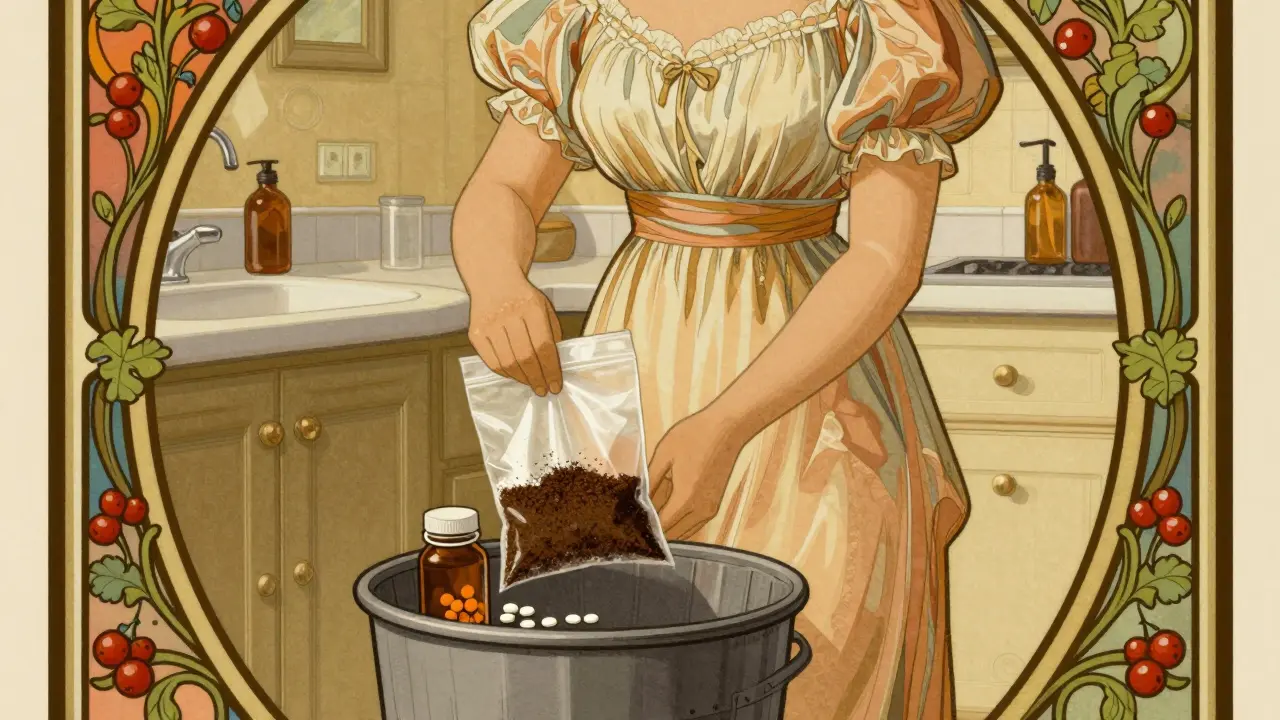
If you can’t get to a take-back site, follow the FDA’s home disposal guidelines:
- Remove the drugs from their original containers.
- Mix them with an undesirable substance like coffee grounds, cat litter, or dirt. A 2:1 ratio of filler to drug works well.
- Place the mixture in a sealed plastic bag or container.
- Throw the container in your household trash.
- Scratch out any personal information on the empty prescription bottle before recycling or trashing it.
Only flush medications if they appear on the FDA’s official Flush List. This list includes high-risk opioids like oxycodone and fentanyl patches, where the danger of accidental ingestion by children or pets outweighs environmental concerns.
Bottom Line: When in Doubt, Toss It Out
Here is the practical rule of thumb. If the medication is for a chronic condition, life-saving emergency, or infection (like antibiotics), replace it when it expires. The cost of a new prescription is far lower than the cost of hospitalization or treatment failure.
If it’s a simple painkiller for an occasional headache, and it’s only a few months past date, you can probably use it in a pinch. But don’t make it a habit. Your medicine cabinet should be a place of trust, not uncertainty. Check your meds every six months. Set a reminder on your phone. Clear out the clutter. It’s a small effort that keeps you safe.
Can expired antibiotics cause resistance?
Yes. Expired antibiotics often have reduced potency. If you take a sub-potent dose, it may not kill all the bacteria causing your infection. The surviving bacteria can then develop resistance, making future infections harder to treat. Always use fresh antibiotics for bacterial infections.
Is it safe to take expired Tylenol or Ibuprofen?
Generally, yes. Solid forms of acetaminophen (Tylenol) and ibuprofen are very stable. They may lose a small amount of potency over time, but they rarely become toxic. For minor pain, taking them a few months past expiration is usually low-risk, though replacement is recommended for consistent relief.
Should I flush my expired medications?
No, unless specifically instructed. Only flush medications listed on the FDA's Flush List, such as certain opioids. For most other drugs, mixing them with coffee grounds or cat litter and throwing them in the trash is safer for the environment. Look for local drug take-back programs first.
Why shouldn't I store medicine in the bathroom?
Bathrooms experience frequent fluctuations in temperature and humidity, especially during showers. These conditions accelerate the chemical breakdown of medications. Storing drugs in a cool, dry place like a bedroom closet or kitchen cabinet helps maintain their potency and safety for longer.
What happens if I take expired Tetracycline?
Taking expired tetracycline can be dangerous. It degrades into toxic compounds that can damage the kidneys, leading to a condition called Fanconi syndrome. Symptoms include excessive thirst, urination, and weakness. Avoid using any tetracycline that is past its expiration date.


Annemarie Kautz
June 25, 2026 AT 13:54ugh another article telling us what to do with our pills :/ i just throw them in the trash when they expire because reading all this is too much work lol
Dale Simpson
June 27, 2026 AT 05:12hey annemarie! dont worry about it so much. most pills are fine for a bit after the date. just keep them dry and cool like the post says. you got this! :)
Charlotte Stuart
June 28, 2026 AT 04:24The notion that one can simply 'throw them in the trash' without adhering to proper disposal protocols is not only lazy but indicative of a broader societal decline in intellectual rigor. The FDA guidelines are explicit for a reason. Your casual disregard for environmental toxicity suggests a profound lack of education regarding pharmaceutical waste management. One would assume basic civic responsibility requires more than a shrug and a typo-ridden comment.
Hema Khimasia
June 29, 2026 AT 00:44The epistemological framework surrounding expiration dates is fundamentally flawed, relying on manufacturer liability rather than pharmacokinetic reality. The SLEP data indicates a significant divergence between regulatory conservatism and chemical stability. However, the degradation pathways of tetracyclines present a distinct ontological hazard, specifically the formation of nephrotoxic metabolites. Thus, the binary classification of 'safe' versus 'unsafe' is insufficient; we must consider the specific molecular integrity of each compound class relative to its storage thermodynamics.
krystal Live
June 30, 2026 AT 15:40so true hema! its all about the science right? lets stay safe out there everyone! remember to check your bathroom cabinets! u can do it!!
Tucker Brown
July 2, 2026 AT 04:31they want you to toss them so you buy more. the military study was buried for a reason. big pharma controls the narrative. if you store it right you can keep it forever but they wont tell you that.
Alyssa Smith
July 3, 2026 AT 07:21In many cultures, medicine is treated with great reverence and never wasted unless absolutely necessary. It’s interesting how different regions handle this. In my community, we often share unused medications within trusted circles, though I know that’s not recommended here. We should respect local laws while learning from global practices. Thank you for sharing this perspective!
Frank Polster
July 5, 2026 AT 03:49Oh wow, Alyssa, sharing meds is really the pinnacle of safety advice. Just pop a stranger's leftover antibiotics and hope for the best. Groundbreaking stuff. Truly.
ankit agarwal
July 5, 2026 AT 04:44The paradigm shift required here involves understanding the stochastic nature of drug degradation. While the FDA mandates expiration dates based on worst-case scenario kinetics, real-world storage conditions often deviate significantly from these parameters. We must advocate for a more nuanced approach to pharmaceutical lifecycle management. Let us empower ourselves through knowledge and critical thinking! Together we can challenge the status quo of medical bureaucracy!