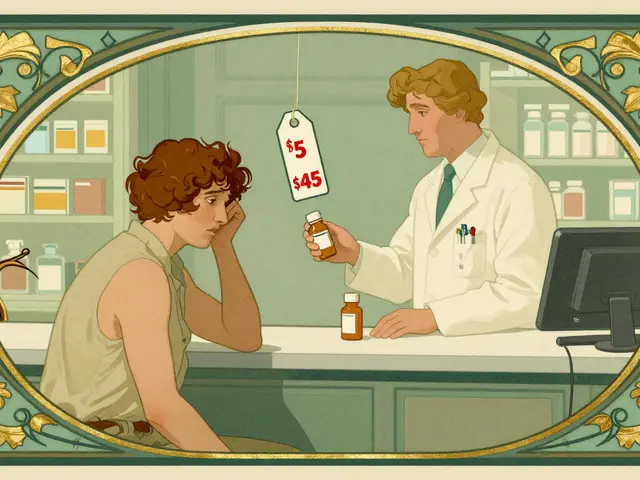

You pick up your prescription at the pharmacy. The label says the same drug name you’ve taken for years, but the price is lower. It’s a generic medication, which is a biologically equivalent alternative to a brand-name drug that contains the same active ingredient. You pop it in, and within days, something feels off. Maybe it’s a headache, stomach upset, or a sudden change in energy levels. Your first thought might be, "Is this new pill making me sick?" Or worse, "Did my condition get worse?"
The truth is, while generics are safe for the vast majority of people, they aren’t always identical twins to their brand-name counterparts. They are required to have the same active ingredients, but the rest of the pill-the inactive stuff-can vary. For most, this doesn’t matter. For some, it changes everything. Knowing the difference between a normal adjustment period and a genuine adverse reaction can save you from unnecessary suffering or serious health risks.
Why Generics Can Feel Different
To understand why you might feel different on a generic, you need to look inside the pill. Every medication has two main parts: the active pharmaceutical ingredient (API), which is the chemical compound that produces the intended therapeutic effect, and the excipients, which are inactive ingredients used to hold the drug together, control its release, or improve taste.
The law requires the API in a generic to be bioequivalent to the brand name. This means it enters your bloodstream at a similar rate and amount. However, manufacturers have freedom with excipients. One company might use lactose as a filler; another might use corn starch. One might use Red Dye #40; another uses no dye. These differences usually don’t matter. But if you have celiac disease, lactose intolerance, or a sensitivity to certain dyes, these "inactive" ingredients become very active in causing symptoms.
Consider eye drops. A well-documented case involves travoprost, a glaucoma medication. The brand version, Travatan Z, uses a preservative called SofZia. Many generic versions use benzalkonium chloride (BAK). Patients sensitive to BAK often experience significant eye irritation, burning, or redness when switching to the generic, even though the active drug is the same. This isn’t a placebo effect; it’s a direct reaction to a formulation difference.
Manufacturing processes also play a role. While the FDA enforces Good Manufacturing Practices (GMPs), quality control can vary, especially since 73% of active ingredients for U.S. generics come from overseas facilities in India and China. In 2018-2019, a contamination issue with valsartan (a blood pressure drug) led to recalls affecting millions because of NDMA, a probable carcinogen. While rare, these events highlight that "generic" doesn’t always mean "identical in every way."
High-Risk Categories: Narrow Therapeutic Index Drugs
Not all medications carry the same risk when switching from brand to generic. The biggest concern lies with Narrow Therapeutic Index (NTI) drugs, which are medications where small differences in blood concentration can lead to serious therapeutic failures or adverse reactions.
For most drugs, a 10-20% variation in absorption is harmless. For NTI drugs, that same variation can push you out of the "therapeutic window." Too little drug, and your condition flares up. Too much, and you face toxicity. The FDA identifies about 18 such medications, including:
- Warfarin (Coumadin): A blood thinner. Small changes can lead to dangerous bleeding or clotting.
- Levothyroxine (Synthroid): Used for thyroid replacement. Variations can cause heart palpitations, anxiety, or fatigue.
- Phenytoin (Dilantin): An anti-seizure medication. Levels must stay precise to prevent seizures.
- Lithium: Used for bipolar disorder. Toxicity can occur with slight overdoses.
A 2020 analysis in *JAMA Internal Medicine* found that 14.7% of patients taking generic warfarin experienced unexpected bleeding events after switching manufacturers, compared to just 4.2% of those staying on consistent brand-name Coumadin. Similarly, thyroid patients often report feeling "off"-heart racing, mood swings, or temperature sensitivity-after a switch. If you take one of these high-stakes medications, talk to your doctor before accepting a generic substitution. Some insurance plans allow you to request "dispense as written" for NTI drugs.

Common Side Effects After a Switch
If you’re not on an NTI drug, you might still notice changes. Data from the FDA’s Adverse Event Reporting System (FAERS) shows that gastrointestinal issues, neurological symptoms, and skin reactions are the top complaints following a generic switch. Here’s what to watch for:
| Category | Symptoms | Possible Cause |
|---|---|---|
| Gastrointestinal | Nausea, diarrhea, bloating, stomach pain | Different fillers (lactose, gluten) or coatings that irritate the gut lining |
| Neurological | Headaches, dizziness, brain fog, anxiety | Artificial dyes (Red 40, Yellow 5) or flavorings like saccharin |
| Dermatological | Rash, itching, hives | Allergic reaction to specific binders or preservatives |
| Psychiatric | Mood swings, increased anxiety, depression | Subtle variations in absorption rates affecting brain chemistry stability |
A 2023 GoodRx analysis of 15,000 patient reviews found that 11.2% of people reported new or worsening side effects after switching to a generic. Thyroid medications had the highest complaint rate (23.7%), followed by psychiatric meds (18.4%). If you start noticing these symptoms within 1-2 weeks of a refill, note the manufacturer’s name on your bottle. It’s often printed in small text near the lot number.
When to Seek Immediate Medical Help
Most side effects are mild and manageable. However, some reactions are medical emergencies. Do not wait to see if they go away. Seek emergency care immediately if you experience:
- Stevens-Johnson Syndrome (SJS): A rare but life-threatening skin reaction. Look for a painful rash, blisters, peeling skin, or sores in the mouth, eyes, or genitals. This is associated with drugs like lamotrigine and allopurinol.
- Priapism: A painful erection lasting more than 4 hours. This is a known risk with trazodone and bupropion (Wellbutrin) and can cause permanent damage if not treated instantly.
- Severe Allergic Reaction (Anaphylaxis): Difficulty breathing, swelling of the face/lips/tongue, or rapid heartbeat.
- Signs of Bleeding (for blood thinners): Unusual bruising, blood in urine/stool, or severe headache.
For less urgent but persistent issues, contact your healthcare provider within 24 hours if you have:
- Severe gastrointestinal distress lasting more than 48 hours.
- New or worsening neurological symptoms (dizziness, confusion).
- Significant changes in blood pressure or heart rate (more than 15% from your baseline).
- Unexplained skin rashes or itching.
Dr. Robert H. Shmerling from Harvard Health Publishing advises that you should not stop taking your medication abruptly without consulting your provider, as this can cause withdrawal or rebound effects. Instead, report any new symptom that begins within 1-2 weeks of a switch and doesn’t resolve within 3-5 days.

What to Do If You Have a Reaction
If you suspect your generic medication is causing side effects, take these steps:
- Check the Manufacturer: Look at your prescription bottle. Note the name of the manufacturer and the lot number. This information is crucial for your doctor and pharmacist.
- Contact Your Pharmacist: Ask if they can source the same medication from a different generic manufacturer. Sometimes, simply switching from Manufacturer A to Manufacturer B resolves the issue because the excipients differ.
- Talk to Your Doctor: Discuss whether you can return to the brand-name drug. For NTI drugs, this is often medically justified. For others, your doctor may adjust the dose or try a different generic.
- Report the Issue: Submit a report to the FDA’s MedWatch program. This helps regulators identify patterns and potential safety issues with specific batches or manufacturers.
Don’t assume you’re imagining things. Patient perception matters. A study in the *Journal of General Internal Medicine* found that patients often perceive generics as having higher risks, but real-world data confirms that for many, especially with complex formulations or sensitivities, the difference is real. Your body knows best.
Frequently Asked Questions
Are generic medications as effective as brand-name drugs?
Yes, for the vast majority of medications, generics are equally effective. The FDA requires them to be bioequivalent, meaning they deliver the same active ingredient into your bloodstream at a similar rate. However, individual responses can vary due to differences in inactive ingredients (excipients) or manufacturing processes, particularly for Narrow Therapeutic Index (NTI) drugs.
Can I refuse a generic prescription and ask for the brand name?
You can request the brand-name drug, but your insurance may not cover it fully, leading to higher out-of-pocket costs. For Narrow Therapeutic Index (NTI) drugs like warfarin or levothyroxine, doctors can write "Dispense as Written" (DAW) to ensure you get the brand name if clinically necessary. For other drugs, insurers may require prior authorization.
How long does it take for side effects from a generic switch to appear?
Side effects related to a generic switch typically appear within 1 to 2 weeks of starting the new medication. Mild adjustments might happen in the first few days. If symptoms persist beyond 3-5 days or worsen, you should contact your healthcare provider. Serious allergic reactions can occur immediately.
What are Narrow Therapeutic Index (NTI) drugs?
NTI drugs are medications where small differences in blood concentration can lead to serious therapeutic failures or adverse reactions. Examples include warfarin (blood thinner), levothyroxine (thyroid), phenytoin (seizures), and lithium (bipolar disorder). Because the margin for error is so small, switching between brands and generics for these drugs requires careful monitoring.
Can inactive ingredients in generics cause allergies?
Yes. Inactive ingredients, or excipients, such as fillers, binders, dyes, and preservatives, can trigger allergic reactions or intolerances. Common culprits include lactose (for those with intolerance), gluten (for celiac disease), and artificial dyes like Red 40 or Yellow 5. If you have known sensitivities, ask your pharmacist about the excipient list for your specific generic medication.
Should I report side effects from generic medications?
Yes. Reporting side effects to the FDA via MedWatch helps identify safety trends and potential manufacturing issues. Include the drug name, manufacturer, lot number, and a description of your symptoms. This data contributes to post-market surveillance and ensures public safety.
Is it safe to switch back to the brand-name drug if the generic causes issues?
It can be safe, but you should consult your doctor first. Abruptly stopping a medication can be dangerous. Your doctor may help you transition back to the brand name or try a different generic manufacturer. Insurance coverage may be a barrier, so discuss cost-saving options like patient assistance programs if needed.