
Imagine standing in a crowded pharmacy line, only to realize you’ve moved across town and your current pharmacy is no longer convenient. In the past, this meant awkward phone calls, fax machines jamming up, or worse-driving back to your doctor just to get a new script written. That era is largely over. Today, digital prescription transfer allows you to move your medications to an online pharmacy with a few clicks on your phone. It’s faster, safer, and frankly, less stressful.
But how does it actually work? And more importantly, what happens if you’re taking controlled substances like ADHD medication or pain relievers? The rules changed significantly in late 2023, making these transfers smoother than ever before. Here is everything you need to know to move your scripts digitally without hitting roadblocks.
How Digital Prescription Transfers Work
At its core, a digital prescription transfer is an electronic handoff of data between two pharmacy systems. Think of it like sending a secure email rather than mailing a physical letter. When you initiate a transfer from your old pharmacy to a new online provider, they don’t need a new prescription from your doctor. Instead, they request the existing electronic record directly from your previous pharmacy.
This process relies on standardized technology defined by the National Council for Prescription Drug Programs (NCPDP). Specifically, the SCRIPT Standard Version 201900 ensures that data moves securely and stays compliant with privacy laws like HIPAA. For most non-controlled medications, this is a straightforward digital handshake. Your new pharmacy sends a request, your old pharmacy approves it, and the data-including dosage, frequency, and refill counts-transfers instantly.
The scale of this system is massive. According to Surescripts, the network that powers much of this infrastructure, over 2.1 billion e-prescriptions were transmitted in 2022 alone. About 15% of all routing actions involved transferring prescriptions between pharmacies. This means the technology isn’t experimental; it’s the backbone of modern medication management.
The Big Change for Controlled Substances
If you take medications classified as controlled substances (Schedules II-V, which include drugs like Adderall, Xanax, or oxycodone), the landscape shifted dramatically on August 28, 2023. Before this date, federal law generally prohibited transferring electronic prescriptions for these drugs between pharmacies. You had to go back to your prescriber to get a fresh script if you wanted to switch where you filled them.
The Drug Enforcement Administration (DEA) updated regulations (21 CFR 1306.25) to allow DEA-registered pharmacies to transfer electronic prescriptions for controlled substances between pharmacies. This was a game-changer for patient convenience. However, there is a catch: the transfer can only happen once. If you fill a prescription at Pharmacy A, you can transfer the remaining refills to Pharmacy B. But you cannot then transfer those same refills from Pharmacy B to Pharmacy C without a new prescription from your doctor.
To ensure safety, these electronic transfers must comply with strict Electronic Prescriptions for Controlled Substances (EPCS) requirements. This includes two-factor authentication for the pharmacists involved and detailed audit trails to prevent fraud. While the single-transfer rule adds a layer of complexity, it eliminates the burden of dragging your doctor into every pharmacy switch.
Step-by-Step: Moving Your Scripts Online
Transferring your prescriptions to an online pharmacy like Amazon Pharmacy, CVS Caremark, or Walgreens is usually simple. Most major platforms have streamlined the process to require minimal effort from you. Here is the typical workflow:
- Gather Your Information: You’ll need your name, date of birth, and ideally your prescription number. If you don’t have the number, having the exact medication name and strength helps.
- Identify Your Current Pharmacy: Have the name and address of the pharmacy where you currently fill your meds. Some apps even let you search by zip code to auto-fill this.
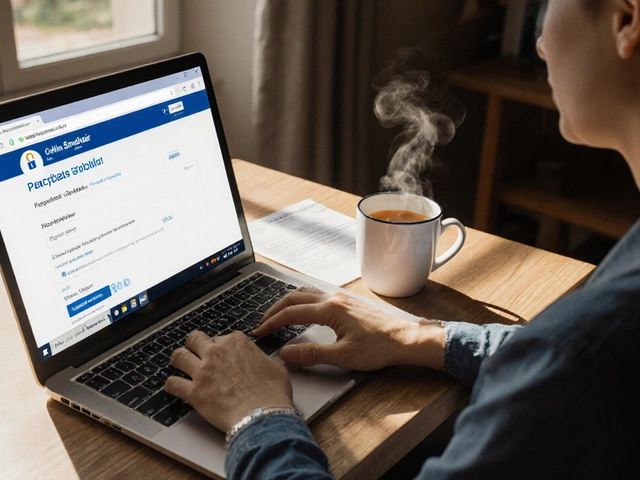
- Initiate the Request: Log into your new online pharmacy’s app or website. Look for the “Transfer Prescription” button. Enter the details from steps one and two.
- Wait for Confirmation: The new pharmacy contacts the old one electronically. For non-controlled substances, this often takes 24 to 48 hours. For controlled substances, verification may extend this to 72 hours due to stricter checks.
Amazon Pharmacy, for instance, has made this incredibly frictionless for Prime members. You often only need to provide the medication name and your current pharmacy’s location. Their system handles the rest behind the scenes. CVS reports a 92% first-attempt success rate for transfers initiated through their portal, meaning most people get their meds moving without any manual intervention.

Common Pitfalls and How to Avoid Them
While digital transfers are efficient, they aren’t perfect. Understanding where things go wrong can save you days of frustration.
Mismatched Patient Identifiers: This is the most common hiccup. If your name, date of birth, or insurance ID doesn’t match exactly between the two pharmacy records, the transfer will fail. Express Scripts data shows this occurs in 19% of transfer attempts. Double-check your spelling and ensure your date of birth is consistent across both accounts.
Partial Fills: If you have partially filled a controlled substance prescription at your original pharmacy, many online pharmacies struggle to accept the remainder. State-specific interpretations of the DEA’s single-transfer rule mean that 63% of online pharmacies cannot handle partial fills for controlled substances. If you’re in this situation, call the new pharmacy before initiating the transfer to see if they can accommodate it.
Compounded Medications: These custom-made drugs are notoriously difficult to transfer digitally because they lack standard National Drug Codes (NDCs). A GoodRx analysis found that 68% of transfer attempts for compounded meds require manual intervention. Be prepared to upload photos of your labels or speak directly to a pharmacist.
Insurance Coordination: Sometimes your insurance plan prefers certain pharmacy networks. Transferring a specialty medication to an online pharmacy outside your preferred network can lead to coverage issues. Always check with your insurer to ensure the new pharmacy is in-network.
Comparison of Major Online Pharmacy Transfer Services
| Pharmacy Service | Avg. Transfer Time (Non-Controlled) | Controlled Substance Support | Key Advantage |
|---|---|---|---|
| Amazon Pharmacy | 2 - 24 hours | Yes (Single Transfer) | Seamless integration for Prime members; fast processing |
| CVS Caremark | 24 - 48 hours | Yes (Single Transfer) | Largest network; high first-attempt success rate (92%) |
| Walgreens | 24 - 48 hours | Yes (Single Transfer) | Strong mobile app interface; hybrid online/in-store support |
Note that while all three services support controlled substance transfers under the new DEA rules, the "single transfer" limitation applies universally. If you anticipate needing to switch pharmacies again soon, factor this into your decision.

Benefits Beyond Convenience
Why bother transferring digitally when you could just pick up your meds at the local store? The benefits go deeper than saving time in line.
Reduced Errors: Manual transfers via phone or fax are prone to human error. A 2022 study in the Journal of the American Pharmacists Association found that digital transfers reduce errors by 47%. Clarification requests drop from 25% in manual transfers to just 8% in digital ones. This means fewer chances for dosing mistakes.
Better Adherence: Online pharmacies often come with automated refill reminders and subscription models. A Government Accountability Office analysis found that Medicare beneficiaries who switched to online pharmacies via digital transfers saw a 12% increase in medication adherence. Consistency matters, especially for chronic conditions.
Cost Transparency: Many online platforms integrate with price-comparison tools like GoodRx. When you transfer your script, you can often see cash prices versus insurance copays instantly, allowing you to make informed financial decisions about your healthcare.
What’s Next for Digital Transfers?
The technology is evolving rapidly. The 21st Century Cures Act’s information blocking provisions, fully effective in April 2023, are forcing greater interoperability between pharmacy systems and electronic health records (EHRs). This means your doctor might soon see real-time updates when you transfer your prescriptions.
Surescripts is rolling out “Transfer 2.0,” which will allow patients and providers to track transfer status in real-time. Imagine getting a notification that says, “Your prescription has been received and verified by your new pharmacy.” Amazon is already experimenting with voice-activated transfers via Alexa, letting users say, “Alexa, transfer my blood pressure medication to Amazon Pharmacy.”
Regulators are also watching closely. The DEA is reviewing the single-transfer limitation for controlled substances based on early implementation data. If they relax this rule, switching pharmacies multiple times could become as easy as it is today for non-controlled meds. However, keep an eye on state laws. California, for example, passed SB 1056, which imposes additional verification steps that complicate national compliance. Always check your local regulations if you live in a state with strict pharmacy laws.
Can I transfer a controlled substance prescription to an online pharmacy?
Yes, since August 2023, the DEA allows electronic transfers of Schedule II-V controlled substances between pharmacies. However, this can only be done once per prescription. After the transfer, any further switches require a new prescription from your doctor.
How long does a digital prescription transfer take?
For non-controlled substances, transfers typically complete within 24 to 48 hours. Controlled substances may take up to 72 hours due to additional verification steps required by federal regulations.
Do I need my prescription number to transfer digitally?
It helps, but it’s not always mandatory. Most online pharmacies can locate your record using your name, date of birth, and the name of your current pharmacy. Having the prescription number speeds up the process and reduces errors.
What happens if my transfer fails?
Common causes include mismatched personal information or insurance issues. If a transfer fails, contact the new pharmacy’s customer support. They can often resolve identifier mismatches manually or guide you on correcting your profile data.
Are digital prescription transfers secure?
Yes. Digital transfers use the NCPDP SCRIPT Standard, which ensures HIPAA-compliant data exchange. For controlled substances, additional EPCS security measures, including two-factor authentication and audit trails, protect against fraud.