
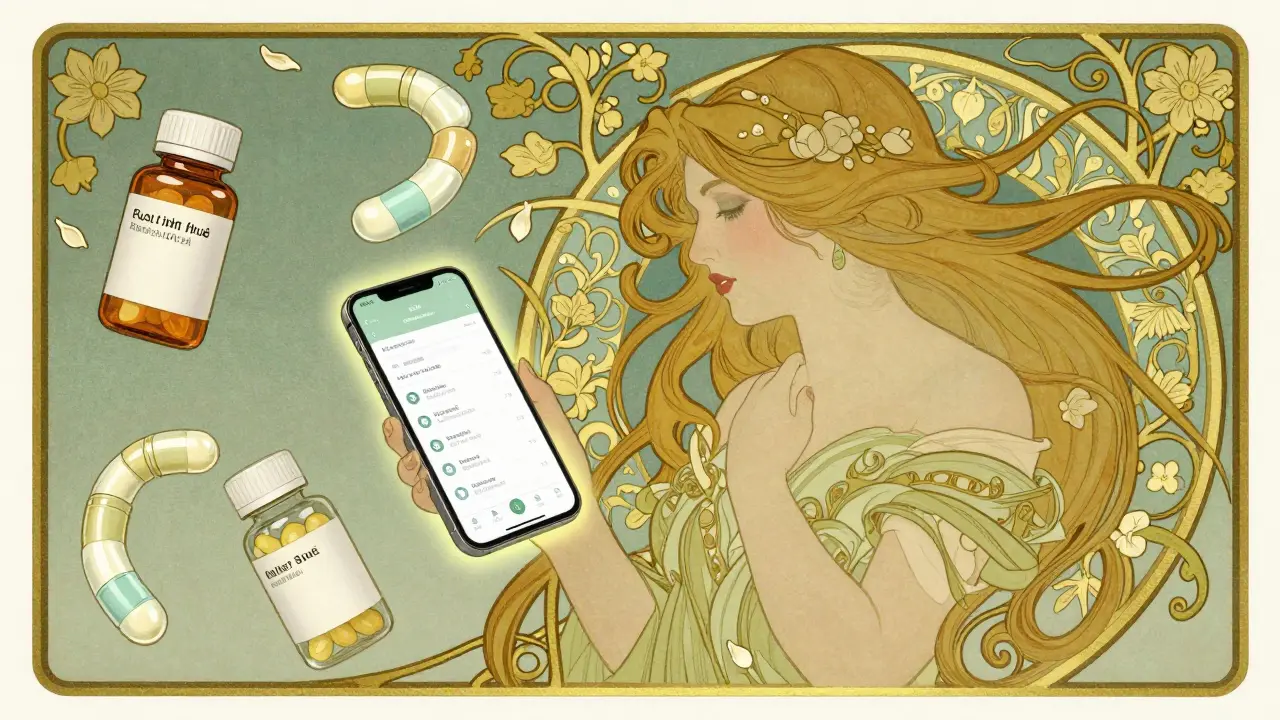
Getting your meds on time isn’t just about remembering - it’s about staying alive. For people managing chronic conditions like high blood pressure, diabetes, or heart disease, missing even one dose can lead to hospital visits, worsening symptoms, or worse. Yet, medication adherence remains a massive problem. Around half of all people with long-term illnesses don’t take their pills as prescribed. That’s not laziness. It’s forgetfulness, confusion, side effects, or just life getting in the way. The good news? Digital tools are making a real difference.
Why Medication Adherence Matters More Than You Think
Skipping a pill might seem harmless. But when it happens day after day, the cost adds up. In the U.S. alone, non-adherence costs the healthcare system between $100 billion and $289 billion every year. That’s not just money - it’s lives. People end up in ERs because their blood pressure spiked, their blood sugar crashed, or their heart condition flared up. All because they forgot, got confused, or thought they didn’t need the pill that day.
Here’s the kicker: studies show that when people actually take their meds as directed, hospital stays drop by up to 40%. That’s not a small win. It means fewer emergency rooms, less strain on doctors, and more time spent living - not recovering.
How Medication Reminder Apps Actually Work
These aren’t just alarm clocks with a fancy name. Modern medication reminder apps combine reminders, tracking, education, and even personalized feedback. Most run on iOS 13+ or Android 8+ and sync across your phone, tablet, or even smartwatch. You enter your meds - name, dose, time, frequency - and the app pings you when it’s time. Simple, right?
But the best ones do more. They log whether you took the pill. They warn you about dangerous interactions. They let you share reports with your doctor. Some even connect to smart pill bottles that beep when opened. A 2025 review of 14 apps found that 12 of them included built-in reminder systems. Nine were designed for specific conditions like hypertension or diabetes, not just generic pill tracking.
One app, Medisafe, has been around since 2012 and now helps over 10 million users. It’s not magic - it’s consistency. Users report fewer missed doses, less anxiety about their regimen, and better communication with their care team.
What Makes These Apps Effective - And What Doesn’t
Not all apps are created equal. A 2020 meta-analysis found that apps improved adherence with a Cohen’s d effect size of 0.40. That’s better than motivational interviews, educational pamphlets, or even phone calls from nurses. But here’s what really moves the needle: personalization.
Apps that let you set custom times - like “take this at 7:30 AM after breakfast” - work better than ones that just say “take twice daily.” Apps that let you add notes - “I feel dizzy after this” - help both you and your doctor spot patterns. And apps that use AI to predict when you’re likely to skip a dose? Those are the ones showing real progress.
Take the Smart-Meds pilot study. It used storytelling and gamification for heart patients. Instead of just a notification, users got a mini-story about how their meds were helping them walk the dog again. Engagement went up. Adherence improved. It wasn’t just about remembering - it was about feeling like you were winning.
On the flip side, apps that don’t let you adjust reminders, don’t sync with your calendar, or can’t handle complex regimens (like five pills at different times) quickly get deleted. One study found users abandoned apps within 30 days if they couldn’t customize the experience.
Who Benefits Most - And Who Gets Left Behind
Younger people? They’re already on it. About 68% of adults under 50 use some kind of digital tool to track meds. But among those over 65? Only 29% do. That’s a huge gap. And it’s not because older adults don’t care. It’s because the apps weren’t built for them.
Small buttons. Tiny fonts. No voice guidance. Confusing menus. These aren’t just design flaws - they’re barriers. A 2023 NIH study found that even people with limited tech skills could learn to use an app after one 15-minute training session. But if the app doesn’t offer large text, voice alerts, or step-by-step help? They won’t stick with it.
And then there’s the digital divide. Low-income users, those without reliable Wi-Fi, or people who don’t own a smartphone can’t benefit at all. The American Pharmacists Association points out that the people who need these tools most - elderly, low-income, rural - are often the ones least likely to have them.
Real User Experiences: What People Are Saying
On the Apple App Store, Medisafe has a 4.7-star rating. On Google Play, MyTherapy sits at 4.6. What do users say?
- “I used to miss my blood pressure pill every other week. Now I never forget. The app even tells me if I’m running low.” - u/MedUser2023, Reddit
- “The visual timeline of my meds helped me see I was taking too many at night. My doctor changed my schedule.” - u/HealthTracker, Reddit
- “I tried three apps before this one. Only this lets me set reminders for ‘after lunch’ instead of ‘1 PM.’ Life isn’t on a clock.” - iPhone user, 72
But complaints exist too. About 23% of negative iOS reviews mention battery drain. 31% of Android users say notifications sometimes don’t come through. And some apps just… disappear. A 2025 review found that seven out of 14 studied apps were no longer being updated. That’s risky. If the app stops working, your data might vanish. Your history? Gone. Your reminders? Silent.
Integration Is Key - But It’s Still Messy
The best apps don’t just sit on your phone. They talk to your doctor’s system. Apps like Medisafe now use FHIR APIs to sync with electronic health records. That means your pharmacist can see if you’re taking your pills. Your doctor gets alerts if you miss a dose. No more guessing.
But here’s the problem: 41% of healthcare providers say their systems still don’t talk well to these apps. Pharmacies, clinics, and hospitals use different tech. Getting them to speak the same language? Slow. Messy. Sometimes impossible.
And then there’s the issue of data privacy. Most top apps follow HIPAA rules. They use AES-256 encryption and TLS 1.2+ for data in transit. But not all do. Always check: Does the app say it’s HIPAA-compliant? Does it let you delete your data? If not, think twice.
What to Look For in a Medication Reminder App
Not every app is worth your time. Here’s what actually matters:
- Customizable reminders - Can you set them for “after breakfast” or “before bed”? Or just fixed times?
- Multi-med support - Can it handle five different pills with different schedules?
- Sync with calendar and contacts - Does it let you share alerts with a family member?
- Drug interaction alerts - Will it warn you if your blood pressure med clashes with an OTC painkiller?
- Offline access - Can you still see your schedule without Wi-Fi?
- Long-term support - Is the company still updating the app? Check the last update date.
Top apps in 2026 include Medisafe, MyTherapy, CareZone, Round Health, and Mango Health. Together, they make up 63% of all downloads. But don’t just pick the most popular. Try one. See if it fits your life.
The Future: Smarter, Simpler, and More Connected
What’s next? Smart pill bottles that beep when opened. AI that predicts when you’ll skip a dose before you even know. Apps that link to wearables and show how your heart rate changes after you take a pill. The Digital Medicine Society predicts 35% of apps will integrate with smart devices by 2027.
And reimbursement is changing. Health systems are starting to pay for these tools - not just because they’re cool, but because they save money. A 2025 Rock Health report found apps that prove real adherence gains are 3.2 times more likely to get covered by insurance.
But the biggest challenge remains: making these tools work for everyone. Not just the tech-savvy. Not just the young. But for the 70-year-old with arthritis, the single mom working two jobs, the person living on a fixed income.
Start Simple. Stay Consistent.
You don’t need the fanciest app. You don’t need AI. You need one thing: something that works for you. Try setting up a free app - Medisafe or MyTherapy - this week. Add your three most important pills. Set a reminder for tomorrow. See if it helps.
If it doesn’t? Try another. The right tool is out there. It’s not about technology. It’s about making your health easier to manage. One pill. One reminder. One day at a time.
Do medication reminder apps really work?
Yes - but only if they’re used consistently. Studies show users of well-designed apps improve adherence by an average of 40%. A 2020 meta-analysis found these apps outperformed traditional methods like educational pamphlets or phone calls. Effectiveness depends on personalization, ease of use, and whether the app fits into your daily routine.
Are these apps safe for my health data?
Top apps like Medisafe and MyTherapy follow HIPAA guidelines and use AES-256 encryption for data at rest and TLS 1.2+ for data in transit. Always check the app’s privacy policy. Avoid apps that don’t mention HIPAA compliance or don’t let you delete your data. If it feels sketchy, it probably is.
Can older adults use these apps successfully?
Absolutely - if the app is designed for them. A 2023 NIH study found that even seniors with limited tech experience could learn to use an app after a single 15-minute training session. Look for apps with large buttons, voice prompts, simple navigation, and offline access. Avoid apps that require complex gestures or tiny text.
What’s the difference between a general app and a condition-specific one?
General apps remind you to take pills but don’t offer tailored info. Condition-specific apps - like those for hypertension or diabetes - include educational content, symptom trackers, and advice based on your condition. For example, a diabetes app might warn you if your sugar levels are dropping after a meal. Studies show condition-specific apps have higher adherence rates because they feel more relevant.
Do I need a smartphone to use these tools?
Most apps require a smartphone with iOS 13+ or Android 8+. But if you don’t have one, some pharmacies offer simple pill dispensers with alarms. Others let you set up automated phone calls. The goal isn’t the tech - it’s the reminder. Find the version that works for your life.
What if my app stops working or gets deleted?
This happens. A 2025 review found 7 out of 14 studied apps were no longer maintained. Always choose apps with active updates (check the App Store or Google Play last update date). If possible, export your medication list regularly. Keep a printed backup. Your health shouldn’t depend on a single app.
Alfred Noble
February 24, 2026 AT 20:10Matthew Brooker
February 26, 2026 AT 09:45Emily Wolff
February 27, 2026 AT 18:14Anil bhardwaj
February 27, 2026 AT 22:00Joanna Reyes
February 28, 2026 AT 04:09Nerina Devi
March 2, 2026 AT 02:52Dinesh Dawn
March 3, 2026 AT 02:49Vanessa Drummond
March 3, 2026 AT 03:24Nick Hamby
March 3, 2026 AT 11:10kirti juneja
March 4, 2026 AT 22:08