

Turmeric & Blood Thinner Interaction Checker
When you combine Turmeric is a root spice containing curcumin, known for its anti-inflammatory and anticoagulant properties with black pepper, you aren't just making a tasty curry. You are creating a chemical reaction that can make your blood too thin, leading to internal bleeding or bruising that won't stop. If you're on a prescription anticoagulant, this combination is a gamble you shouldn't take.
The "Perfect Storm": Why Black Pepper Changes Everything
On its own, curcumin (the active part of turmeric) is notoriously hard for the body to absorb. To fix this, supplement companies add Piperine, which is the pungent alkaloid found in black pepper that significantly increases the bioavailability of curcumin. While this sounds like a win for efficiency, it's a nightmare for safety.
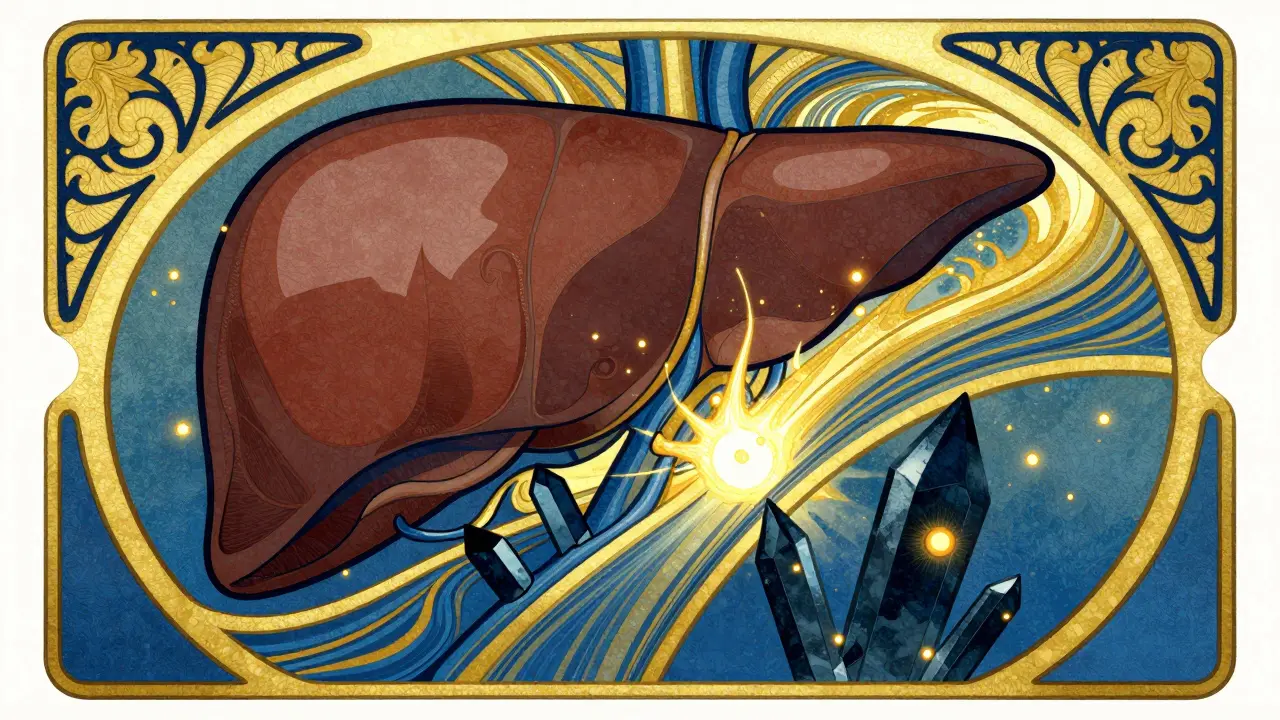
Piperine can increase the absorption of curcumin by up to 2,000 percent. Imagine your body suddenly processing twenty times more of a substance than it expects. Even worse, piperine inhibits specific liver enzymes, such as CYP3A4, which your body uses to break down both the supplement and many of your prescription meds. This creates a "perfect storm" where the medication stays in your system longer and the turmeric's blood-thinning effects are amplified. You aren't just taking a supplement; you're accidentally altering the dose of your prescription medicine.
How Your Blood Thinners Actually Interact
Blood thinners, or Anticoagulants, are medications designed to prevent blood clots from forming or growing in the body. They work by interfering with the clotting process. Turmeric interferes with this same process by decreasing platelet aggregation-basically, it makes the "sticky" parts of your blood less likely to clump together.
If you're taking Warfarin, the risk is even higher. Warfarin has a "narrow therapeutic index," meaning the difference between a dose that saves your life and a dose that causes a hemorrhage is very small. Turmeric can slow down how quickly your body clears Warfarin, causing your International Normalized Ratio (INR)-the measure of how long it takes your blood to clot-to spike to dangerous levels. A stable patient can suddenly become high-risk for a GI bleed just by adding a daily turmeric pill.
| Medication Type | Examples | Primary Risk |
|---|---|---|
| Vitamin K Antagonists | Warfarin (Coumadin) | Severe INR elevation and internal bleeding |
| Antiplatelet Drugs | Aspirin, Clopidogrel (Plavix) | Increased bruising and prolonged bleeding from cuts |
| DOACs | Apixaban, Rivaroxaban | Potentiated anticoagulant effect; risk of GI bleeds |
| NSAIDs (Painkillers) | Ibuprofen, Naproxen | Combined gastric irritation and bleeding risk |
Cooking vs. Supplements: Where is the Line?
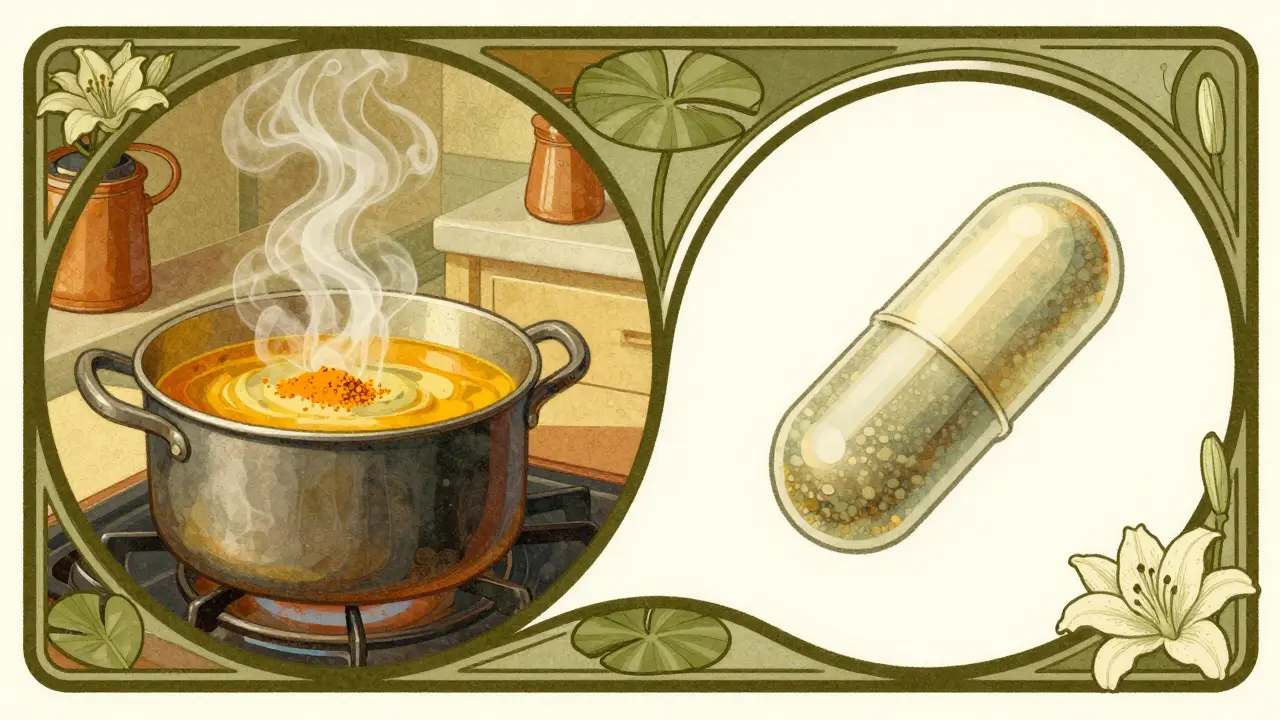
You don't have to banish turmeric from your kitchen. There is a massive difference between a pinch of spice in a pot of soup and a concentrated 500mg capsule. Culinary use of turmeric-using it as a seasoning in food-generally doesn't provide enough curcumin to interfere with your medication. Most doctors suggest that 1-2 teaspoons of turmeric powder in food daily is perfectly fine for most people.
The danger lies in concentrated extracts. Supplements are designed to deliver massive doses of curcuminoids directly into your bloodstream, often paired with piperine for maximum impact. This is where the risk of toxicity and drug interaction happens. If it comes in a pill or a high-dose liquid extract, treat it as a drug, not a food.
Red Flags: Signs of a Dangerous Interaction
Because these interactions happen inside your veins and liver, you might not notice them immediately. However, there are clear warning signs that your blood is too thin or your liver is struggling. You should seek medical help if you notice:
- Unexplained Bruising: Large bruises appearing after a minor bump or even without a known cause.
- Bleeding Issues: Gums bleeding more than usual during brushing or nosebleeds that take a long time to stop.
- Internal Warning Signs: Dark, tarry stools or coffee-ground-like vomit (signs of gastrointestinal bleeding).
- Liver Distress: Yellowing of the skin or eyes (jaundice), dark-colored urine, or persistent nausea and abdominal pain.
Some reports indicate that liver injury symptoms from turmeric-black pepper combinations can appear anywhere from 2 to 12 weeks after you start the supplement. If you've recently started a new wellness routine and feel unusually fatigued or sick, tell your doctor exactly what you're taking.
Safe Steps for Patients and Caregivers
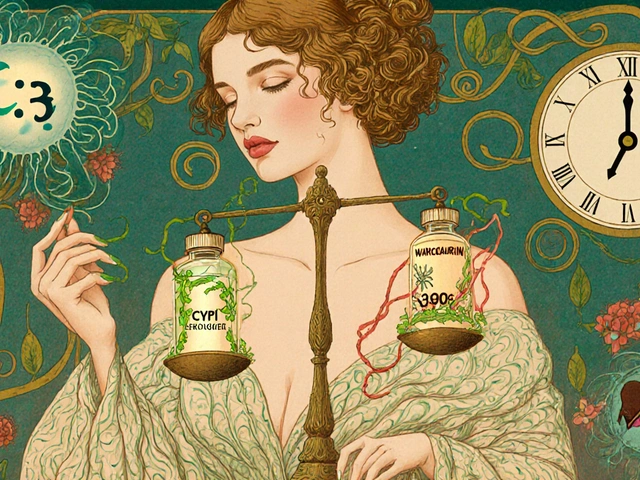
If you want the anti-inflammatory benefits of turmeric but are on a blood thinner, you need a strategy that prioritizes safety over convenience. First, be honest with your GP. A surprising number of people don't mention their supplements during check-ups, but your doctor needs to know to monitor your INR more closely.
- Audit Your Cabinet: Check the labels of your supplements. If you see "Piperine," "Black Pepper Extract," or "Bioperine," be extra cautious.
- Stick to Food: Use turmeric as a spice in cooking rather than a capsule.
- Monitor Your INR: If you are on Warfarin, ask your doctor if you need more frequent blood tests if you change your diet or supplements.
- Watch Your Vitamin K: Keep your intake of leafy greens (like spinach and kale) consistent. Adding turmeric on top of fluctuating Vitamin K levels makes your blood clotting unpredictable.
Can I take turmeric if I'm on aspirin?
It is risky. Aspirin is an antiplatelet agent, and turmeric also inhibits platelet aggregation. Taking both can significantly increase your risk of bruising and bleeding. You should consult your doctor before combining them.
Is all black pepper dangerous with blood thinners?
Black pepper used in normal amounts for cooking is generally safe. The concern is with concentrated piperine extracts found in supplements, which are designed to force more curcumin into your bloodstream and interfere with liver enzymes.
How quickly does turmeric affect my INR levels?
It varies by person, but some case studies show significant INR elevation shortly after starting a daily turmeric supplement. Because it affects liver clearance, the effect can build up over a few weeks.
What is a safe dose of turmeric for someone on anticoagulants?
Medical consensus suggests avoiding concentrated turmeric supplements entirely. However, culinary amounts (1-2 teaspoons of powder in food per day) are typically considered safe for most patients.
Are there any safe turmeric alternatives for inflammation?
You should discuss alternatives with your doctor. Some emerging research is looking into lecithin-based delivery systems that don't use piperine, but these are not yet the standard. Always get a medical professional's approval before switching supplements.
Next Steps and Troubleshooting
If you've already been taking turmeric and black pepper supplements while on blood thinners, don't panic, but do act. The first step is to stop the supplement and call your healthcare provider. Do not just "lower the dose" and hope for the best; you need a professional to check your clotting levels.
For those who are not yet on medication but are considering them, be aware that not all supplements are created equal. Some tests have found that turmeric supplements can be contaminated with heavy metals like lead, adding another layer of risk to your liver and kidneys. Always look for third-party verified brands, and even then, remember that "natural" does not always mean "safe" when it comes to prescription drug interactions.




Thomas Jorquez
May 1, 2026 AT 05:08wow, didnt realize black peper was that powerfull. guess i'll keep my suplements simple.
lalit adesara
May 1, 2026 AT 14:59Western medicine fears what it cannot control. Turmeric is our heritage. Your fear is just ignorance of true Vedic wisdom.
Dale Kensok
May 2, 2026 AT 05:06The reductionist approach to this pharmacological synergy is quaint, yet it fails to address the systemic pharmacokinetic volatility. We are discussing the potentiation of a CYP3A4 inhibitor, which essentially creates a metabolic bottleneck. It's a textbook example of homeostatic disruption via exogenous additives. Most laypeople lack the cognitive framework to grasp the sheer entropy involved in modulating the therapeutic index of a narrow-spectrum anticoagulant.
Steve Grayson
May 3, 2026 AT 18:47I appreciate the detailed breakdown of the risks here. It's helpful to know that cooking with the spice is still okay while avoiding the high-dose pills.
Trish Perry
May 5, 2026 AT 03:19It's wild how we've shifted from viewing food as medicine to viewing medicine as something that makes food dangerous. It makes you think about the delicate balance of the body and how a single concentrated ingredient can tilt the whole scale. We try to optimize our health with a pill, but we end up fighting our own biology.
Kali Murray
May 6, 2026 AT 18:03so true 🌿 keep it in the kitchen and out of the pill bottle ✨
Darrin Oneto
May 8, 2026 AT 04:45Totally get where this is coming from. Absolute chaos for your blood if you mix them up. Glad i didnt start that fancy yellow supplement routine last month 😅