
Every day, pharmacists dispense millions of generic medications. They’re cheaper, widely available, and approved by the FDA. But not all generics are created equal. For most patients, switching from a brand-name drug to a generic works perfectly fine. For others, even a small change in manufacturer can lead to serious problems - and pharmacists are often the first to notice.
What Makes a Generic Problematic?
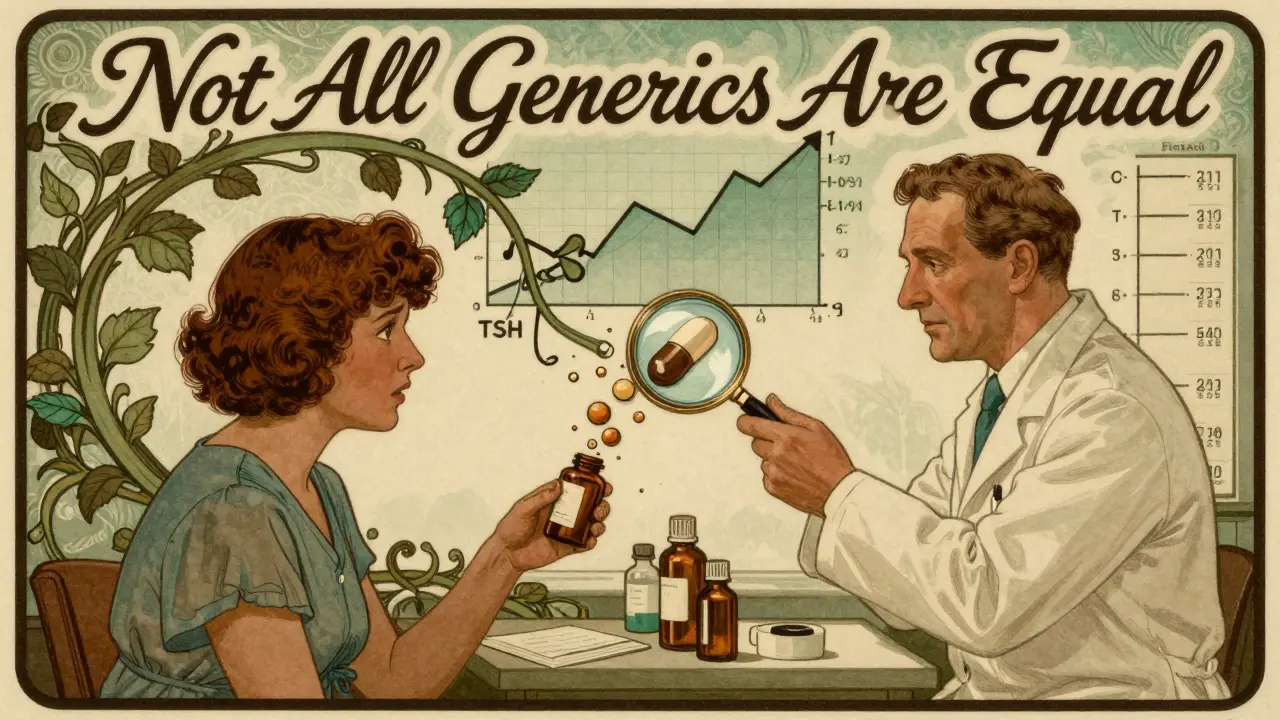
Generic drugs must contain the same active ingredient, strength, dosage form, and route of administration as the brand-name version. The FDA requires them to be bioequivalent, meaning they deliver the same amount of drug into the bloodstream within an 80% to 125% range of the original. That sounds tight - until you realize that 20% variation can be the difference between a drug working and failing entirely. Take levothyroxine, used to treat hypothyroidism. A patient stable on one generic manufacturer might see their TSH levels spike after switching to another. That’s not rare. In fact, the FDA has documented cases where patients’ TSH levels jumped from 2.1 to 8.7 after a generic switch - enough to cause fatigue, weight gain, and even heart rhythm issues. Levothyroxine is one of 18 drugs classified as having a narrow therapeutic index (NTI). These are medications where even tiny changes in blood levels can lead to treatment failure or toxicity. Others include warfarin, phenytoin, digoxin, and tacrolimus. The problem isn’t always the active ingredient. It’s the inactive ones. Fillers, binders, coatings - things that don’t treat the disease but control how the drug dissolves. Extended-release versions are especially tricky. A 2020 FDA study found that 7.2% of generic extended-release opioids failed dissolution testing. That means the pill didn’t release the drug slowly as intended. Instead, it dumped the full dose too fast - or not at all. Either way, the patient gets no benefit or risks overdose.When Pharmacists Must Step In
You don’t need to be a scientist to spot trouble. You just need to pay attention. Here’s when pharmacists should flag a generic:- Patient reports sudden change in symptoms - especially within 2 to 4 weeks after switching generics. If someone says, “I used to feel fine on this pill, now I’m dizzy all day,” don’t brush it off. Ask what manufacturer they’re on now.
- NTI drugs are involved - If the prescription is for warfarin, digoxin, or levothyroxine, treat every switch like a potential hazard. Document the manufacturer every time. If the patient’s lab values start drifting, the manufacturer may be the cause.
- Similar-sounding names cause confusion - Oxycodone/acetaminophen and hydrocodone/acetaminophen look almost identical on the bottle. One study found these two were confused in 14.3% of all generic medication errors. Always double-check the label. Say the name out loud before handing it over.
- The patient complains about side effects that didn’t exist before - Nausea, headaches, or rashes that appeared after a switch? It’s not all in their head. A 2023 Consumer Reports survey found 22.4% of patients reported different side effects after switching generic manufacturers.
- Therapeutic drug monitoring shows a shift - If you’re monitoring levels for drugs like phenytoin or tacrolimus and the concentration drops or spikes without a dose change, suspect the generic. That’s a red flag.
How to Use the FDA’s Orange Book
The FDA’s Orange Book is your go-to tool. It lists every approved drug - brand and generic - and assigns a therapeutic equivalence code. Look for these codes:- AB - Therapeutically equivalent. Safe to substitute.
- BX - Not therapeutically equivalent. Don’t substitute without consulting the prescriber.
Real Cases Pharmacists Have Seen
One pharmacist in Ohio reported a patient on generic tacrolimus for a kidney transplant. After switching manufacturers, the patient’s drug level dropped by 40%. Within days, they developed rejection symptoms. The transplant team had to admit them. The only change? The generic manufacturer. Another case came from a community pharmacy in Florida. A patient on extended-release diltiazem for high blood pressure started feeling lightheaded. Their blood pressure, once stable at 120/80, jumped to 160/95. The pharmacist checked the bottle - same name, same dose, same manufacturer. But the pill looked slightly different. A quick call to the wholesaler revealed a new batch from a different plant. The FDA had issued a safety alert for that batch just two weeks earlier. The pharmacist switched the patient back to the old version - and their BP normalized in 48 hours. These aren’t outliers. In a 2022 survey of 1,247 pharmacists, 63.2% said they’d seen at least one problematic generic substitution in the past year. Nearly 30% reported patient harm.Why This Matters Beyond Cost
Generics save the U.S. healthcare system billions. In 2023, they made up 90.7% of all prescriptions but only 23% of drug spending. That’s a win. But cost savings shouldn’t come at the cost of safety. Some manufacturers cut corners. The FDA inspected 2,147 facilities in 2022 and found over 400 quality control issues. Many of these were in foreign plants - 63% in India, 25% in China. That doesn’t mean all generics from those countries are bad. But it does mean you need to be vigilant. The FDA’s 2023 Drug Shortage Program found that 38.2% of all shortages were due to manufacturing quality problems - not supply chain issues. That’s alarming. And it’s why pharmacists can’t just be order-takers. We’re the last line of defense.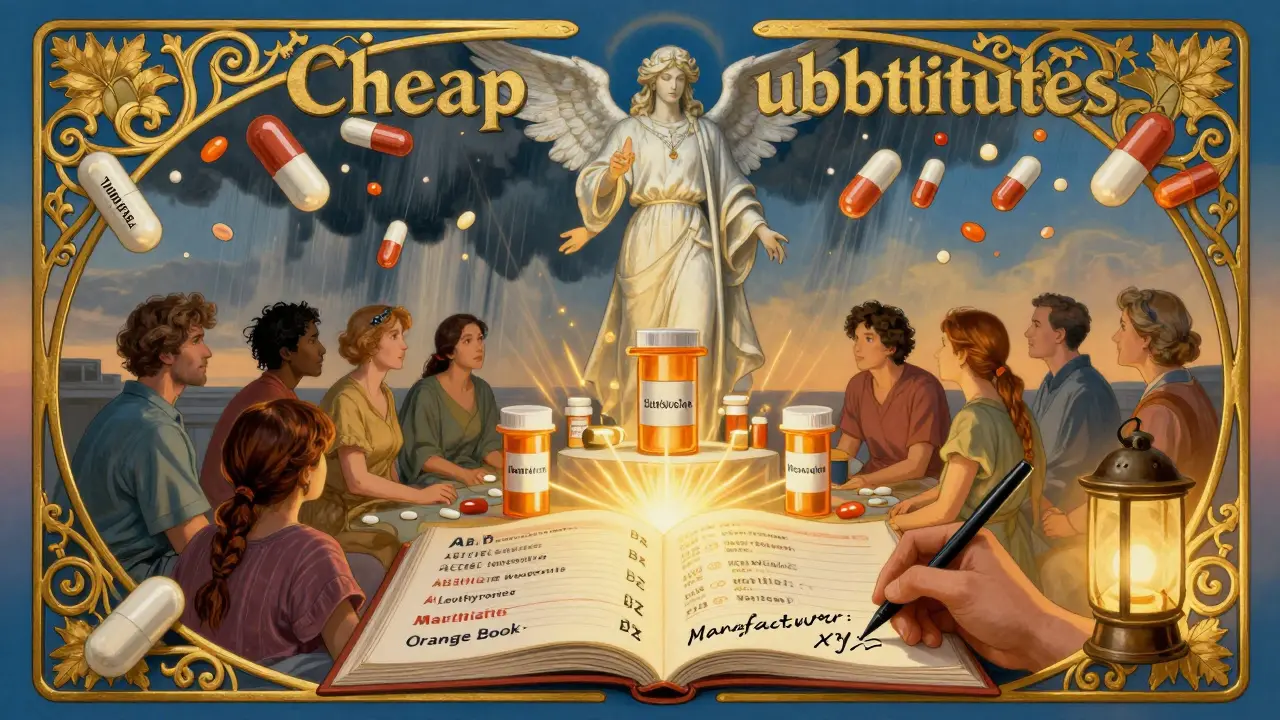
What Pharmacists Can Do
You don’t need a lab to protect patients. Here’s what works:- Document the manufacturer - Every time you fill a generic, write down the manufacturer name. Not just the brand. Not just the pill color. The actual company. If a problem happens, you’ll need that info fast.
- Ask patients about changes - Don’t wait for them to complain. After any generic switch, say: “Have you noticed any difference in how you feel?”
- Use the FDA’s MedWatch app - It takes under 5 minutes to report a suspected bad generic. Your report could prevent another patient from getting hurt.
- Know your state’s laws - Some states require pharmacists to notify prescribers before substituting NTI drugs. Others allow automatic substitution unless the doctor says “dispense as written.” Know your rules.
- Stay educated - 32 states require annual generic drug training. Use it. Read FDA alerts. Join ISMP’s reporting program. The more you know, the better you protect.
It’s Not About Trusting or Distrusting Generics
Most generics are safe. Most patients do fine. But the system isn’t perfect. The bioequivalence standard allows for a 20% difference in drug exposure. For a statin? Fine. For warfarin? Dangerous. Pharmacists aren’t here to block generics. We’re here to make sure the right one gets to the right patient. When a patient’s condition changes after a switch - especially with NTI drugs - it’s not suspicion. It’s science. And it’s our job to act.Can I just switch a patient to any generic if it’s cheaper?
No. While most generics are safe to substitute, you must check the FDA’s Orange Book for therapeutic equivalence codes. Drugs with an AB rating are interchangeable. Those with a BX rating are not. For narrow therapeutic index drugs like levothyroxine or warfarin, even AB-rated generics from different manufacturers can cause problems. Always consider the patient’s history and monitor for changes.
How do I know if a generic is from a bad manufacturer?
There’s no public list of “bad” manufacturers. But you can track patterns. If multiple patients on the same generic report side effects or therapeutic failure, investigate. Check FDA safety alerts, MedWatch reports, and ISMP’s database. Document every manufacturer change. If the same batch keeps causing issues, report it and consider switching back to a previous brand.
Are brand-name drugs safer than generics?
Not necessarily. The FDA requires generics to meet the same quality standards as brand-name drugs. The difference isn’t safety - it’s consistency. Some brand-name drugs have been on the market for decades with stable manufacturing. Some generics, especially newer ones or those from foreign plants, may have less predictable quality. That’s why monitoring matters more than the brand label.
What should I do if a patient says their generic doesn’t work anymore?
Don’t assume they’re wrong. First, confirm they’re taking it correctly. Then check if the manufacturer changed. Look up the drug in the Orange Book. For NTI drugs, consider therapeutic drug monitoring. If levels are off, contact the prescriber. Suggest switching back to the previous generic or the brand if needed. Document everything. This is a safety issue, not a complaint.
Why do some pharmacies keep switching generics?
Cost. Wholesalers push the cheapest option. Sometimes, a pharmacy will switch to save a few cents per pill. But for high-risk drugs, that penny can cost a patient their health. Pharmacists should push back when the risk outweighs the savings. Patient safety should always come before the lowest price.



Edith Brederode
January 20, 2026 AT 00:23OMG YES. I had a patient on levothyroxine who went from feeling great to exhausted and gaining 15 lbs in 2 weeks. We switched back and boom - she was herself again. I always write the manufacturer on the bottle now. 🤯💊
clifford hoang
January 21, 2026 AT 03:50Let’s be real - the FDA’s a puppet of Big Pharma. They let Chinese factories pump out generics with chalk dust and glitter because they’re too busy sipping champagne in DC. That 80%-125% bioequivalence range? That’s not science - it’s a loophole for poison. And don’t get me started on the Orange Book… it’s a joke written by lobbyists who’ve never held a pill in their hand. 🤡
Arlene Mathison
January 22, 2026 AT 08:28Y’all need to stop acting like generics are the enemy. Most are fine! But when someone’s on warfarin or tacrolimus? Yeah, treat it like a live wire. I’ve been doing this 22 years - I’ve seen the good, the bad, and the terrifying. The key? Don’t assume. Ask. Track. Communicate. And if your pharmacy won’t let you document the manufacturer? Find a better job. 😎
Emily Leigh
January 23, 2026 AT 22:48Ugh. Another ‘pharmacist hero’ post. Like we’re not all just overworked cashiers who get yelled at for not having the exact blue oval pill in stock. I don’t have time to check the Orange Book every time someone gets a $3 refill. And no, I don’t care if their TSH is ‘off’ - they didn’t pay for the brand, so they get the cheapest one. End of story. 🙄
Jacob Cathro
January 24, 2026 AT 07:01Bro… the real issue is the FDA’s ‘therapeutic equivalence’ codes are BS. AB? BX? Who even made up these acronyms? It’s like they’re trying to sound smart but forgot to define anything. And don’t get me started on ‘extended-release’ generics - half the time they’re just crushed pills in a fancy shell. I’ve seen patients crash because the coating dissolved too fast. And the worst part? No one gets sued. Just another body in the system. 😭
Art Gar
January 25, 2026 AT 21:33While the concerns articulated herein are not without empirical merit, one must recognize that the regulatory architecture governing generic pharmaceuticals in the United States remains fundamentally sound. The bioequivalence thresholds established by the FDA are statistically robust and have been validated through decades of post-marketing surveillance. To suggest that pharmacists should routinely override substitution protocols absent explicit contraindications may engender unnecessary fragmentation of the supply chain and undermine cost-containment objectives critical to public health. A more prudent approach involves standardized documentation and pharmacovigilance reporting - not reflexive resistance to generic substitution.
Shane McGriff
January 27, 2026 AT 17:44Just want to say - if you're a pharmacist reading this and you're already doing what's outlined here? You're a godsend. Seriously. I had a cousin on digoxin who started getting palpitations after a switch. Her pharmacist caught it because he remembered her last bottle was from a different maker. Called the doctor, switched it back, and she was fine. That’s the kind of care we need more of. Don’t let the cynics wear you down. You’re saving lives, one pill at a time. 💪❤️
Thomas Varner
January 28, 2026 AT 18:21...I just read this whole thing. I'm a patient. I take 7 meds. 6 are generic. I never knew any of this. I just take the pill. The bottle looks the same. The price is lower. I assume it's the same. Now I'm gonna start asking. And writing stuff down. Thanks? I guess? 🤷♂️