
| Factor | Target/Action | Estimated Risk Reduction |
|---|---|---|
| Tobacco Use | Complete cessation | Reduces lung cancer risk by ~78% |
| Physical Activity | 150 min moderate / 75 min vigorous per week | Colon cancer risk ↓ 24% |
| Weight Management | BMI between 18.5 and 24.9 | Reduces inflammation by 25-30% |
| Sun Protection | SPF 30+ every 2 hours | Melanoma risk ↓ 50% |
The Heavy Hitters: Tobacco and Alcohol
If you want to make the single biggest impact on your long-term health, start with what you put into your lungs and bloodstream. Tobacco is the most significant modifiable risk factor we know. Cancer Research UK notes that smoking is responsible for about 78% of all lung cancer cases. It's not just about the lungs, either; tobacco chemicals travel through the blood, damaging DNA in organs you wouldn't even associate with smoking. Then there's alcohol. While a glass of wine here and there feels harmless, the data is stark. For women, just one extra drink per day can increase the risk of breast cancer by 7-12%. For men, the impact on the esophagus is even more pronounced, with some data showing a 20-30% increase in risk for esophageal cancer. The rule of thumb is simple: keep it to a maximum of two standard drinks for men and one for women daily, though less is always better.Eating for Defense: Beyond "Healthy Eating"
We all know we should "eat more vegetables," but what does that actually look like? The American Cancer Society (ACS) suggests a concrete target: 2.5 to 3 cups of vegetables and 1.5 to 2 cups of fruit every single day. Not all vegetables are created equal when it comes to prevention. Cruciferous vegetables-think broccoli, cauliflower, and Brussels sprouts-are powerhouse foods. A 2024 meta-analysis from UC Davis Health found that people who eat these regularly have a 15-20% lower risk of prostate cancer. On the flip side, watch out for processed meats like bacon, deli meats, and hot dogs. The International Agency for Research on Cancer (IARC) has classified these as Group 1 carcinogens. While some guidelines allow for a small amount (under 18oz a week), the gold standard advice from the World Cancer Research Fund is to avoid them entirely. If you're struggling to make the jump, start by swapping your morning processed sausage for fresh fruit or eggs.Movement as Medicine
Exercise isn't just about fitting into your jeans; it's about regulating your biology. When you move, you lower your insulin levels and reduce chronic inflammation, both of which act as "fuel" for tumor growth. The magic number is 150 minutes of moderate activity (like a brisk walk where you can talk but not sing) or 75 minutes of vigorous activity (like jogging or swimming laps) per week. Why does this matter? Mayo Clinic's research shows that staying active can slash your colon cancer risk by 24% and breast cancer risk by 12-20%. If you're short on time-a common complaint for 74% of people in recent surveys-try the "3-2-1" framework: 30 minutes of activity daily, two vegetable servings at your main meals, and one hour less of screen time. It's a sustainable way to build a habit without feeling like you're training for a marathon.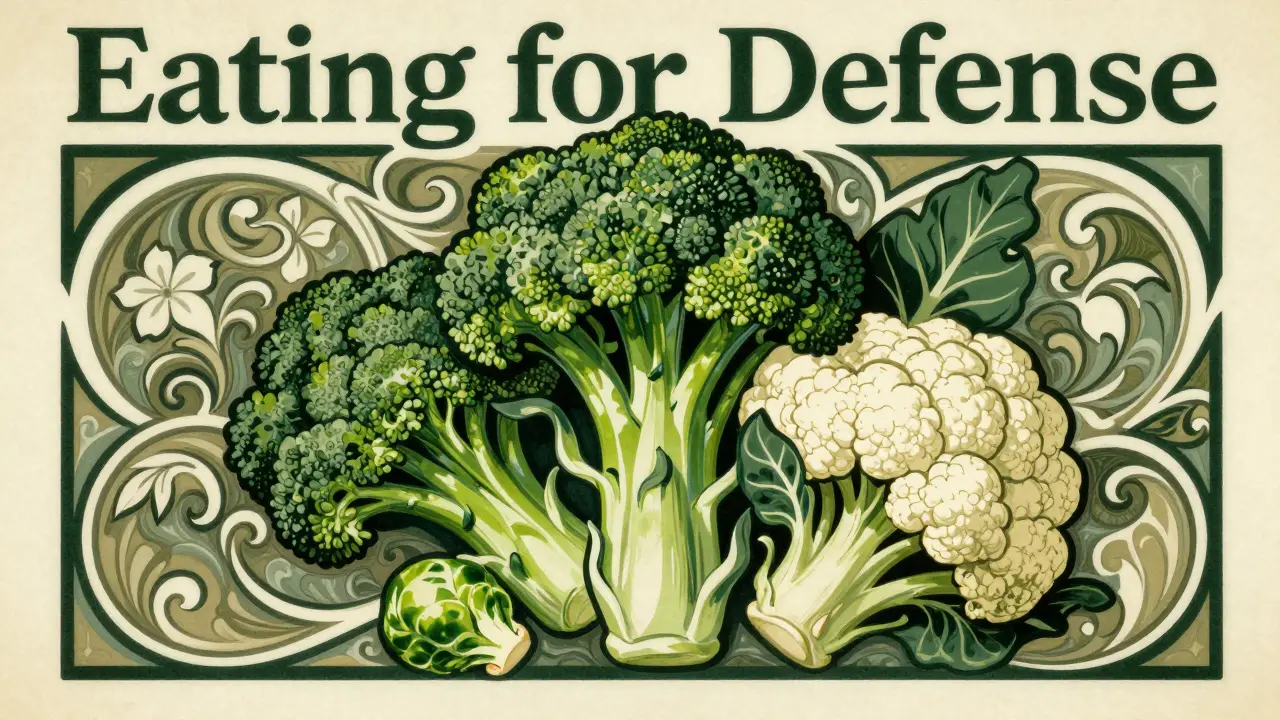
Managing Weight and Metabolic Health
Maintaining a healthy weight is a core pillar of cancer prevention. It's not about a number on the scale for aesthetic reasons; it's about how your body handles hormones. Excess fat, especially around the midsection, produces inflammatory markers and affects Insulin-like Growth Factor (IGF-1). Research from the American Institute for Cancer Research (AICR) indicates that for every 5-unit increase in BMI above 25, the risk for postmenopausal breast cancer rises by 12%, and kidney cancer by 10%. The good news? You don't need to reach a "perfect" BMI to see results. Dr. Cynthia Thomson emphasizes that losing just 5-10% of your body weight can reduce tumor-promoting inflammation by 25-30% within six months. That's a massive win for a relatively small change.Sun Protection and Environmental Risks
Skin cancer is one of the most preventable types of cancer because the cause is so direct: UV radiation. Most of us know we need sunscreen, but the application is where we fail. To actually reduce your melanoma risk by 50%, you need a broad-spectrum SPF 30+ applied every two hours. Pay close attention to the clock. About 80% of the day's UV radiation hits between 10 a.m. and 4 p.m. If you're working outdoors during these hours, a wide-brimmed hat and long sleeves are often more effective than sunscreen alone. It's about creating a physical barrier between your DNA and the sun's rays.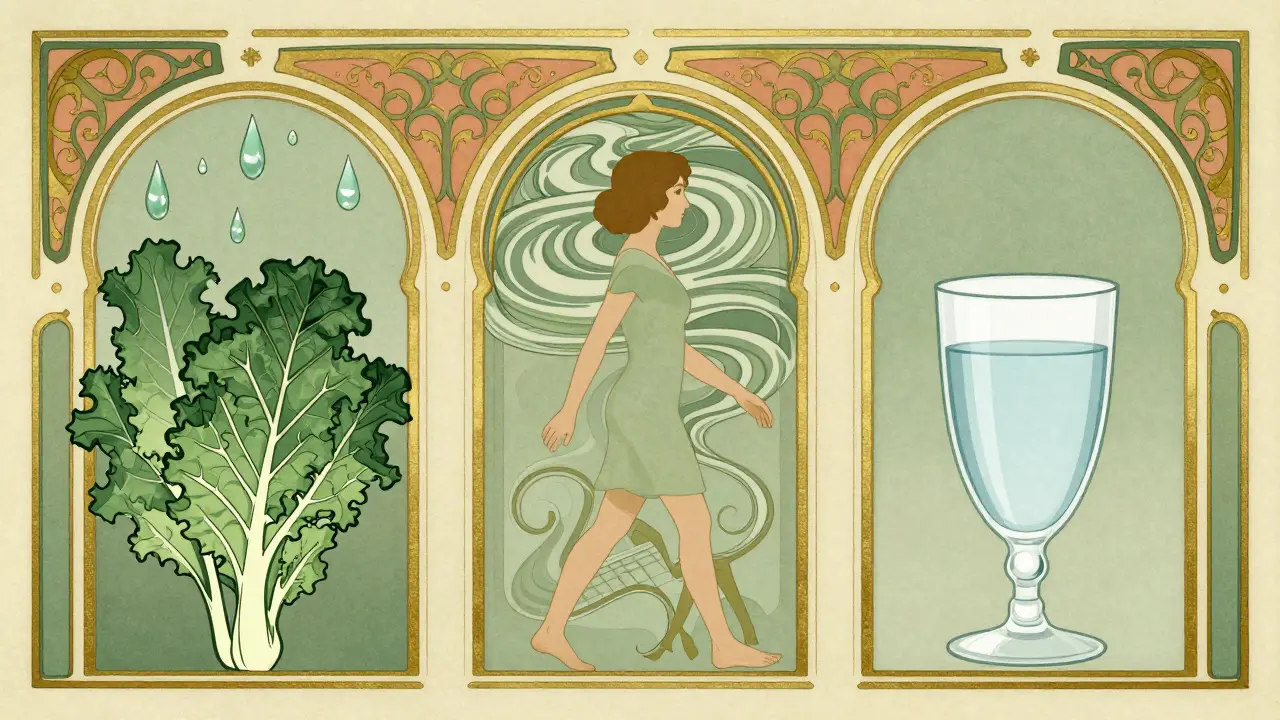
Understanding Chemoprevention
While lifestyle changes are the first line of defense, some people need extra help. This is where Chemoprevention comes in. Chemoprevention is the use of medications or supplements to reduce the risk of developing cancer or to prevent it from returning after treatment. Unlike lifestyle changes, which are for everyone, chemoprevention is typically reserved for high-risk individuals. This might include people with a strong family history of cancer or those with specific genetic mutations (like BRCA1 or BRCA2). Examples include using certain hormone-blocking medications to prevent breast cancer in high-risk women. It is crucial to remember that chemoprevention isn't a "magic pill" that replaces a healthy diet. As Dr. Otis Brawley from Johns Hopkins points out, while we can control many factors, genetic predispositions account for 5-10% of cases, and environmental exposures make up another 15-20%. Medical interventions are tools to be used alongside lifestyle changes, not instead of them.Practical Steps for a Lower-Risk Life
Changing your entire life overnight is a recipe for failure. The most successful people use a "single-behavior" approach. Instead of trying to quit smoking, start a gym routine, and go vegan all in one Monday, pick one thing and master it for a month.- Month 1: Focus on hydration and adding one cup of cruciferous vegetables to your dinner.
- Month 2: Add a 20-minute daily walk.
- Month 3: Audit your alcohol intake and set a strict weekly limit.
Can I really prevent cancer if it runs in my family?
Yes. While you cannot change your genetic blueprint, lifestyle factors influence how those genes are expressed. For someone with a family history, following a strict prevention plan-such as weight management and avoiding carcinogens-can significantly delay or even prevent the onset of cancer by reducing the "environmental triggers" that activate those genes.
Is it too late to start these changes if I've smoked or eaten poorly for years?
It is never too late. The body has a remarkable ability to heal. For instance, the risk of lung cancer begins to drop the moment you stop smoking, and reducing systemic inflammation through diet and exercise can happen in a matter of months. The benefits of risk reduction start accumulating immediately.
Are supplements a good form of chemoprevention?
Generally, no. Most health organizations, including the ACS, recommend getting nutrients from whole foods rather than supplements. High-dose supplements can sometimes interfere with other medications or, in some cases, even increase risk. Always consult a doctor before starting a chemoprevention regimen.
How much alcohol is actually "safe"?
From a strict cancer-prevention standpoint, the safest amount of alcohol is none. However, the general guideline to keep risk low is no more than one drink per day for women and two for men. Beyond this, the risk of several types of cancer, particularly breast and esophageal, increases significantly.
What is the most effective way to stay active if I have a desk job?
Focus on "activity snacking." Break your movement into small chunks: a 10-minute walk after lunch, standing desks, or taking the stairs. These small bursts help combat the inflammatory effects of sedentary behavior and make it easier to hit the 150-minute weekly goal without needing a huge block of free time.
Tama Weinman
April 15, 2026 AT 22:35Funny how they mention 'science-backed' but totally ignore the toxins they put in the water supply to keep us docile and sick. The 'processed meat' scare is just a way to push us toward synthetic lab-grown sludge that the elites control. Look into who actually funds these 'meta-analyses' and you'll see the real game being played here. It's all just a distraction from the environmental poisons they won't name.
Adele Shaw
April 16, 2026 AT 09:30My uncle died of this and it's just heartbreaking how the system fails us. America should be the only place where we have the best care, yet people still suffer so much. It's just a tragedy that we have to fight for our own lives against these diseases while the rest of the world just watches us struggle!
Dana Chichirita Nicoleta
April 16, 2026 AT 21:27This is absolutely such a beacon of hope for anyone who feels like they are just a passenger in their own biological journey! It is truly breathtaking to realize that we possess the agency to reshape our futures simply by altering the mundane rituals of our daily existence, and I find it profoundly moving that a few simple changes to our diet and movement can potentially save us from such devastating illnesses. I am simply overflowing with excitement to start implementing the 3-2-1 framework because it feels so achievable and empowering to know that we aren't just victims of our genetic blueprints but are instead the architects of our own wellness! Let us all embrace this journey with open hearts and a commitment to a more vibrant, healthy life for ourselves and our beloved families!
Ben Ferguson
April 17, 2026 AT 11:01I couldn't agree more with the emphasis on sustainable habits because in my experience, the most profound transformations happen when we stop fighting against our nature and start collaborating with it! It reminds me so much of the holistic approaches I've seen in other cultures where food isn't just fuel but is viewed as a sacred form of medicine, and seeing that science is finally catching up to this ancient wisdom is just absolutely thrilling! If we can just treat our bodies as a garden that needs tending rather than a machine that needs fixing, the results will be nothing short of miraculous for every single one of us regardless of where we come from!
Kim Hyunsoo
April 18, 2026 AT 09:38The part about 'activity snacking' is actually a pretty kaleidoscope of an idea 🌈. I wonder if there are specific patterns of movement that act like a secret key for the lymphatic system 🗝️. Just thinking about the biology of it is kind of a trip 🌀.
Cheryl C
April 18, 2026 AT 18:45USA #1!! 🇺🇸 We got the best doctors and the best food if u actually know where to shop!! Just eat real food and stay strong!! 💪🇺🇸🇺🇸
Autumn Bridwell
April 19, 2026 AT 09:19I literally can't believe people still drink alcohol in 2024 when the risks are this obvious! Like, are you actually trying to destroy your liver? I saw a post about a woman who did exactly what's in this guide and she looks ten years younger now, it's honestly insane how some of you just ignore the signs until it's too late and then you act surprised when the doctor gives you bad news! I'm just saying, if you don't follow this, don't come crying to me when you're sick!
Richard Moore
April 19, 2026 AT 23:40Cut the drama. The facts are in the table and the science is clear. Either you do the work or you don't. Stop complaining about the system and just start walking 🚶♂️💥. Simple as that! 👊