
Key Takeaways for Getting Started
- Focus on grams: Carbs are measured in grams, and one standard serving is typically 15g.
- Total Carbs matter: Always look at "Total Carbohydrates" on labels, not just "Sugars."
- Personalization is key: There is no single "correct" amount of carbs; your target is set by your doctor.
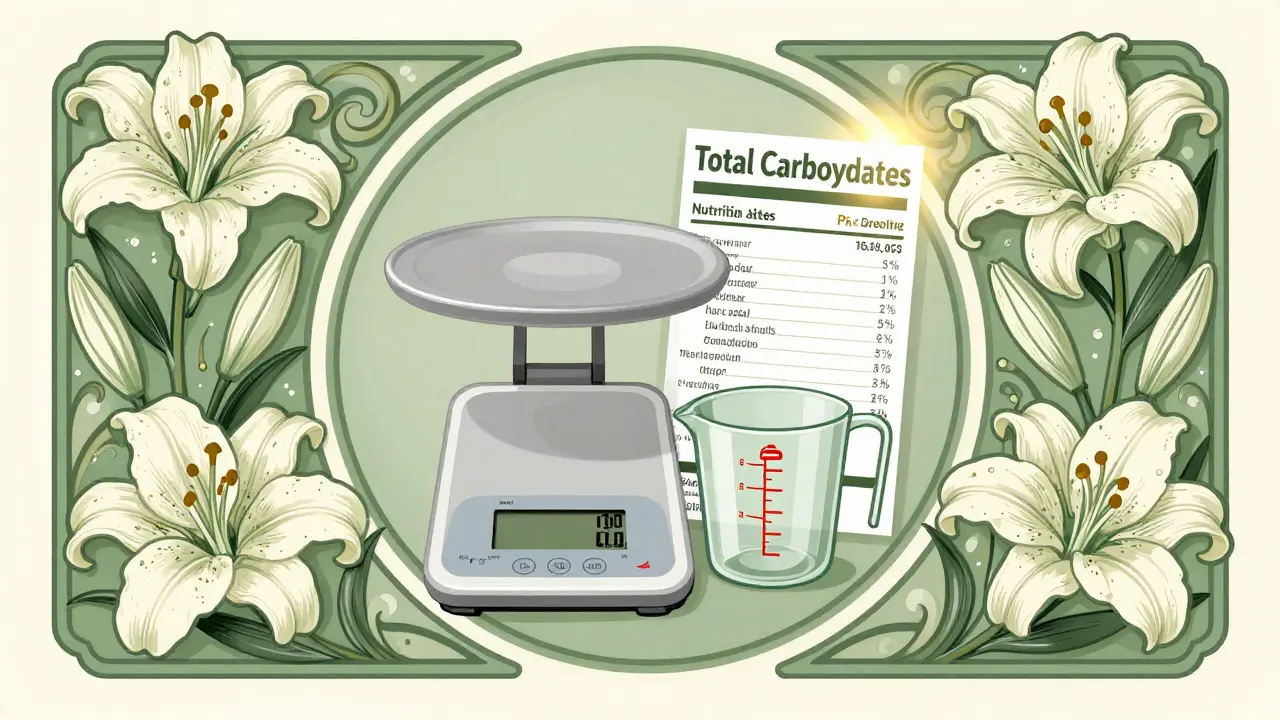
- Tools help accuracy: Use a food scale and measuring cups for the first few weeks to train your eyes.
Why Carbs Impact Your Blood Sugar
To understand why we count carbs, you first have to understand what they do. Carbohydrates are nutrients found in grains, fruits, and vegetables that the body breaks down into glucose (sugar) for energy. For most people, the body releases insulin to move this glucose into cells. When you have diabetes, that process is broken. Whether your body doesn't make enough insulin or can't use it properly, those carbs turn into blood sugar that stays in your bloodstream, causing levels to rise. While protein and fats have a minimal effect on immediate blood sugar, carbs are the primary driver of post-meal spikes. By tracking exactly how many grams you eat, you can predict the rise and counteract it-either through activity or insulin-keeping you within your target range.The Basics: What Exactly Is a "Carb Serving"?
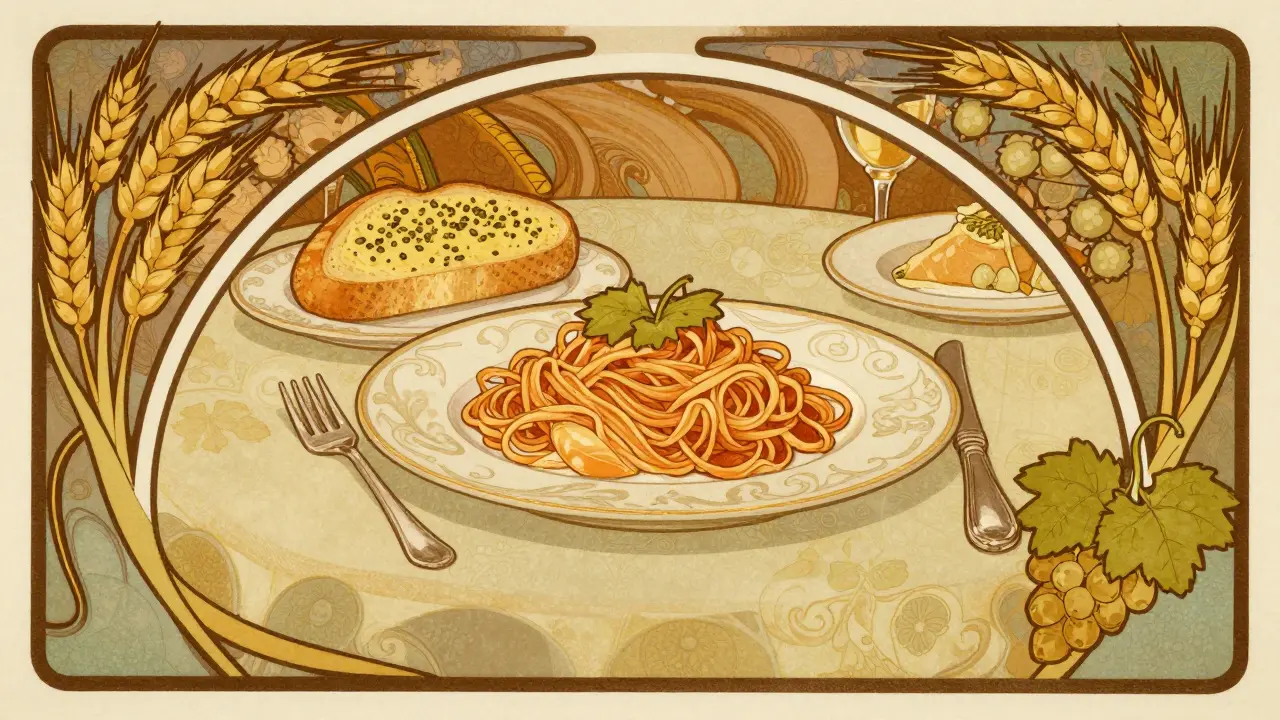
When you start carbohydrate counting, you'll often hear about "carb choices" or servings. According to CDC guidelines, one standard serving of carbohydrates is roughly 15 grams. Think of this as your basic building block for meal planning. To give you a real-world idea of what 15g looks like, consider these common examples:- One slice of whole-wheat bread
- A small apple (about 4 ounces)
- Half a cup of cooked white rice or pasta
- Half a cup of beans or lentils
- One small orange
How to Read Nutrition Labels Like a Pro
Reading a label can be confusing because there are so many different lines for sugars, fibers, and starches. To count accurately, ignore the "Sugars" line and go straight to Total Carbohydrates . This number includes everything: starches, sugars, and fiber. However, not all carbohydrates behave the same way in your body. This is where "net carbs" come into play. Fiber is a type of carbohydrate that your body can't digest, meaning it doesn't raise your blood sugar. If a label lists fiber separately, you can subtract those grams from the total. Another tricky area is sugar alcohols (like xylitol or erythritol found in "sugar-free" snacks). These are only partially absorbed. A common rule of thumb is to divide the sugar alcohol grams by two and subtract that result from the total carbs.| Component | Action | Impact on Blood Sugar |
|---|---|---|
| Total Carbohydrates | Start here | Primary driver of glucose rise |
| Dietary Fiber | Subtract fully | Minimal to no impact |
| Sugar Alcohols | Subtract half | Moderate to low impact |
Matching Carbs to Insulin
For those using insulin, carb counting isn't just about food-it's about math. This is where the Carb-to-Insulin Ratio is a personalized calculation that determines how many grams of carbohydrates are covered by one unit of rapid-acting insulin. For example, if your doctor tells you that your ratio is 1:10, it means 1 unit of insulin covers 10 grams of carbs. If you're about to eat a sandwich that contains 40 grams of carbs, you would need 4 units of insulin (40 divided by 10). It's important to remember that this ratio isn't static. You might be more sensitive to insulin in the morning than in the evening, or you might need more insulin after a workout. This is why keeping a food and glucose diary is so helpful; it allows you to see patterns and adjust your ratios with your healthcare provider.Comparing Carb Counting to Other Methods
You've probably heard of the "Plate Method" or the "Glycemic Index." While these are helpful, they serve different purposes. The Plate Method is great for people who want a visual guide without doing math-half a plate of non-starchy vegetables, one quarter protein, and one quarter starch. It's simple, but it lacks the precision needed for insulin dosing. On the other hand, the Glycemic Index focuses on the *quality* of the carb (how fast it spikes your sugar) rather than the *quantity*. While eating low-GI foods like lentils is healthier, you still need to know the total grams to dose your insulin correctly. Carb counting is the "gold standard" for those on intensive insulin therapy because it provides a numerical value that can be directly matched to a dose, offering a level of control that visual methods simply can't match.Avoiding Common Beginner Pitfalls
Most people start carb counting with a bit of over-optimism, only to find their blood sugar is still high. Usually, this is due to "hidden carbs." Many beginners forget to count the carbs in milk, yogurt, or starchy vegetables like carrots and peas. These can easily add up to 25% of your daily intake without you even realizing it. Another challenge is eating out. Restaurant nutrition guides are often optimistic. In reality, portions in restaurants are often 20-30% larger than what's listed on the menu. If you're unsure, a safe bet is to overestimate the carb count slightly or use a Continuous Glucose Monitor (CGM) to see how the meal actually affects you in real-time.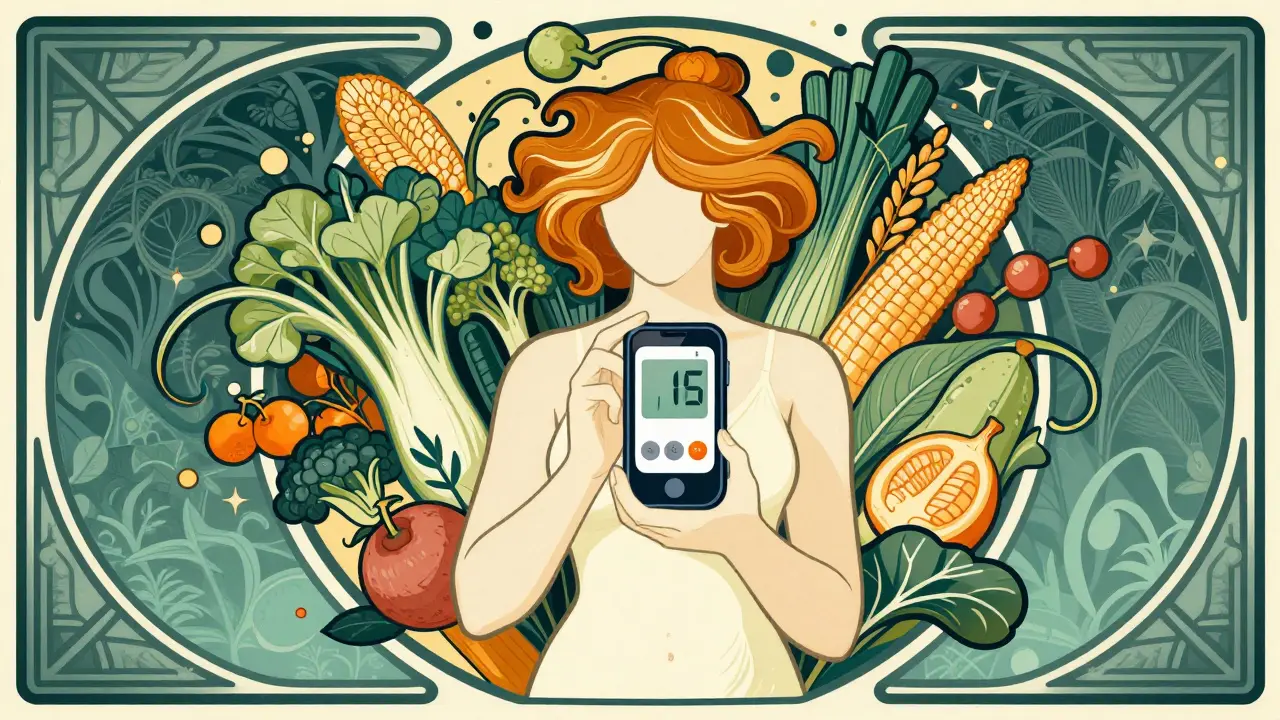
Step-by-Step Guide to Starting Your Journey
If you're ready to start, don't try to be perfect on day one. Follow this structured approach:- Baseline Tracking: For three days, write down everything you eat and drink. Don't change your habits yet; just see where you stand.
- Gather Your Tools: Get a digital food scale and a set of measuring cups. Relying on your eyes for the first few weeks is a recipe for error.
- Learn the Labels: Spend a few days just reading labels in your pantry. Practice calculating "net carbs" using the fiber and sugar alcohol rules.
- Start Small: Pick one meal a day (like breakfast) to count perfectly. Once you've mastered that, move on to lunch and dinner.
- Use Tech: Download an app like Carb Manager or MyFitnessPal. These apps have massive databases that take the guesswork out of complex recipes.
The Role of Technology in Modern Counting
We've moved far beyond paper logs. Modern diabetes management integrates counting with real-time data. CGMs allow you to see a graph of your glucose levels, meaning you can look back at a meal and say, "I counted 45 grams, but my sugar spiked like I ate 60." This feedback loop is the fastest way to improve your estimation skills. Furthermore, AI is entering the fray. Some new apps now use image recognition to estimate the carbs in a meal just by taking a photo. While they aren't 100% accurate yet, they provide a great starting point for those who find manual entry tedious.Is carbohydrate counting only for people who use insulin?
Not at all. While it's most critical for those using insulin to prevent hypoglycemia or hyperglycemia, it's incredibly useful for anyone with type 2 diabetes. Managing carb intake helps stabilize blood sugar and can often lead to weight loss and a reduced need for oral medications.
Do I have to stop eating bread and pasta?
No. The point of carb counting is flexibility. Instead of banning foods, you learn how to fit them into your day. If you want pasta, you simply count the grams and adjust your insulin or balance the meal with plenty of fiber and protein to slow down the glucose absorption.
How long does it take to get good at this?
Most people find their rhythm within 4 to 8 weeks. After about a month of using a food scale and measuring cups, your "eye" for portion sizes becomes much more accurate, and the process becomes almost automatic.
What should I do if I miscount my carbs?
Don't panic. If you undercount and your sugar spikes, use your correction factor (as advised by your doctor) to bring it back down. Use the mistake as a learning opportunity-check the label again or look up the food in a different database to see where the error was.
Does fiber really not count as a carb?
Fiber is technically a carbohydrate, but because the human body lacks the enzymes to digest it, it doesn't break down into glucose. Therefore, it doesn't raise your blood sugar in the same way that starch or sugar does, which is why we subtract it from the total.




Tama Weinman
April 18, 2026 AT 01:01Sure, follow the "official" guidelines if you enjoy being a lab rat for Big Pharma. It's funny how we're told to just "count" while the food industry keeps pumping out hidden sugars that aren't even listed properly on labels. Maybe if people actually looked into the systemic push for processed grains, they'd realize this math is just a band-aid for a broken system. But hey, keep calculating your insulin units while the industry laughs all the way to the bank.
Rock Stone
April 19, 2026 AT 04:49Just take it one meal at a time, everyone. No need to stress over a few grams here or there. You'll get the hang of it!
Cheryl C
April 19, 2026 AT 10:38USA all the way baby!! 🇺🇸 Best meds and best docs in the world!! I just started doing this and its so much easyer then I thought it would be lol 🍕💪✨
Richard Moore
April 20, 2026 AT 02:46I totally agree with the point about restaurant portions! It's honestly ridiculous how they lie on the menus. I've had to start bolusing for 50% more than the guide says just to stay level. Stay vigilant, people! 😡🔥
Nell O'Leary
April 21, 2026 AT 03:13The integration of CGM data creates such a powerful feedback loop for glycemic variability. It really allows for a more precise titration of the insulin-to-carb ratio, especially when accounting for the glycemic load of different macromolecules. :-)
ira fitriani
April 21, 2026 AT 18:13OH MY GOSH!! 🌟 This is exactly what I needed to see today! It's all about taking control of your own health and absolutely CRUSHING those goals!! Let's all get those blood sugars stable and FEEL AMAZING!! 🌈✨💖🥳
Bonnie Piersall
April 23, 2026 AT 15:30Tackling this beast of a diet can feel like climbing Everest in flip-flops, but you've got this! Just keep swimming through the data and you'll find your groove. It's all about that slow and steady win, so don't let a single bad day throw a wrench in your gears. You're doing the heavy lifting now so your future self can breathe easier. Just keep your head up and keep counting those carbs! One day at a time, one gram at a time, and you'll be a pro before you even realize it. It's a marathon, not a sprint, so pace yourself. Be kind to your mind while you're training your body. You're stronger than a spike of glucose! Keep that momentum rolling forward. The victory is in the consistency. You are absolutely killing it! Stay fierce and stay focused! Trust the process and the results will follow. You've got the power to master this!